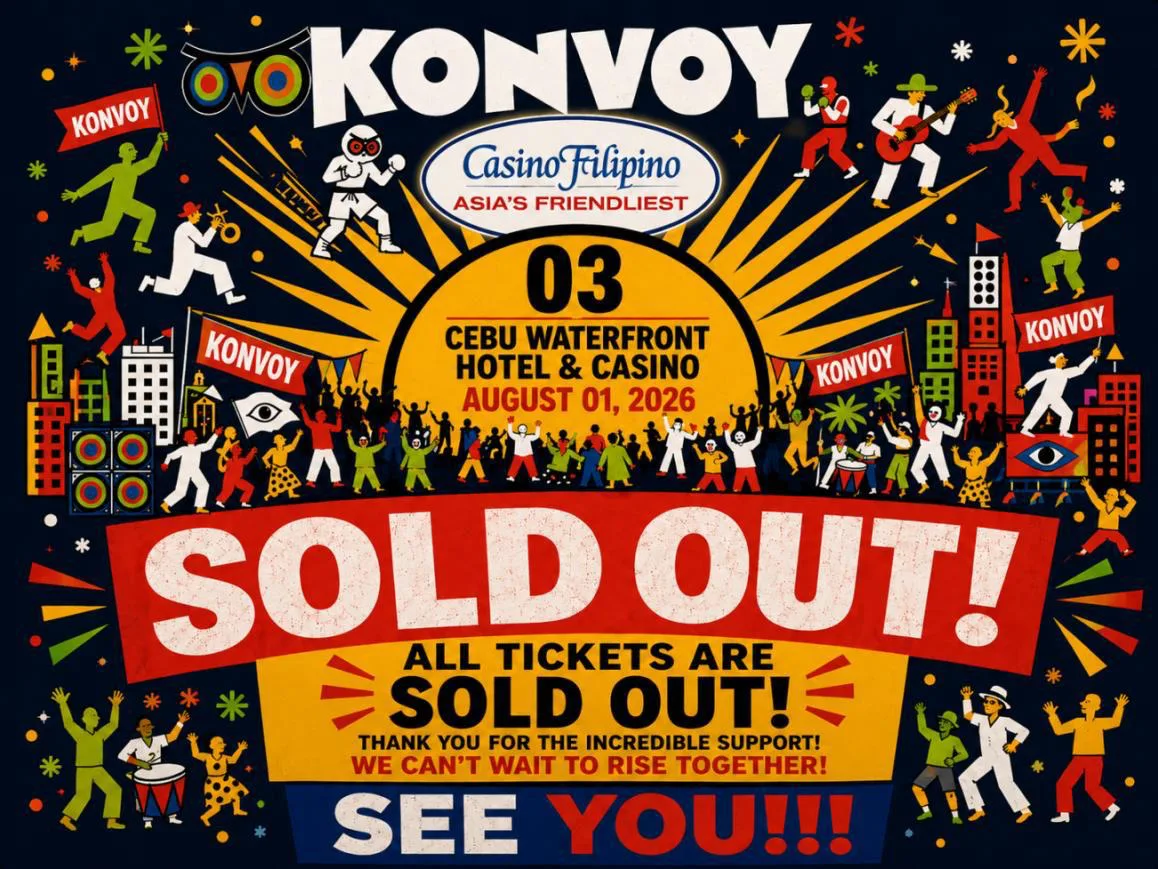
August 11, 2026
Cebu Fighting Ground: Why Konvoy Is the MMA Home Cebu Has Been Building Toward
Cebu fighting ground culture is real - and Konvoy is its home. Discover how Konvoy is building Cebu's MMA scene for fighters and fans in 2026.
Cebu isn’t Manila. It doesn’t have the same density of media coverage, the same saturation of international promotions, or the same stream of visiting fighters from abroad. But what Cebu does have – and what anyone paying attention to the Filipino MMA scene in 2026 knows – is a fighting ground culture that runs deeper than headlines. This is a city where gyms open early and close late, where sparring partners show up on time, and where fighters train not because they’re chasing a viral moment but because combat sports are woven into the fabric of how the city moves. Konvoy didn’t invent that culture. But Konvoy gave it a stage that matched its seriousness, and in doing so, made Cebu’s fighting ground identity visible to the rest of Asia.
This article is the definitive breakdown of why Cebu is a legitimate MMA fighting ground, how Konvoy became the promotion that owns that narrative, and what it means for fighters and fans who want to be part of what’s happening here in 2026.
Cebu as a Fighting Ground: The Case for This City
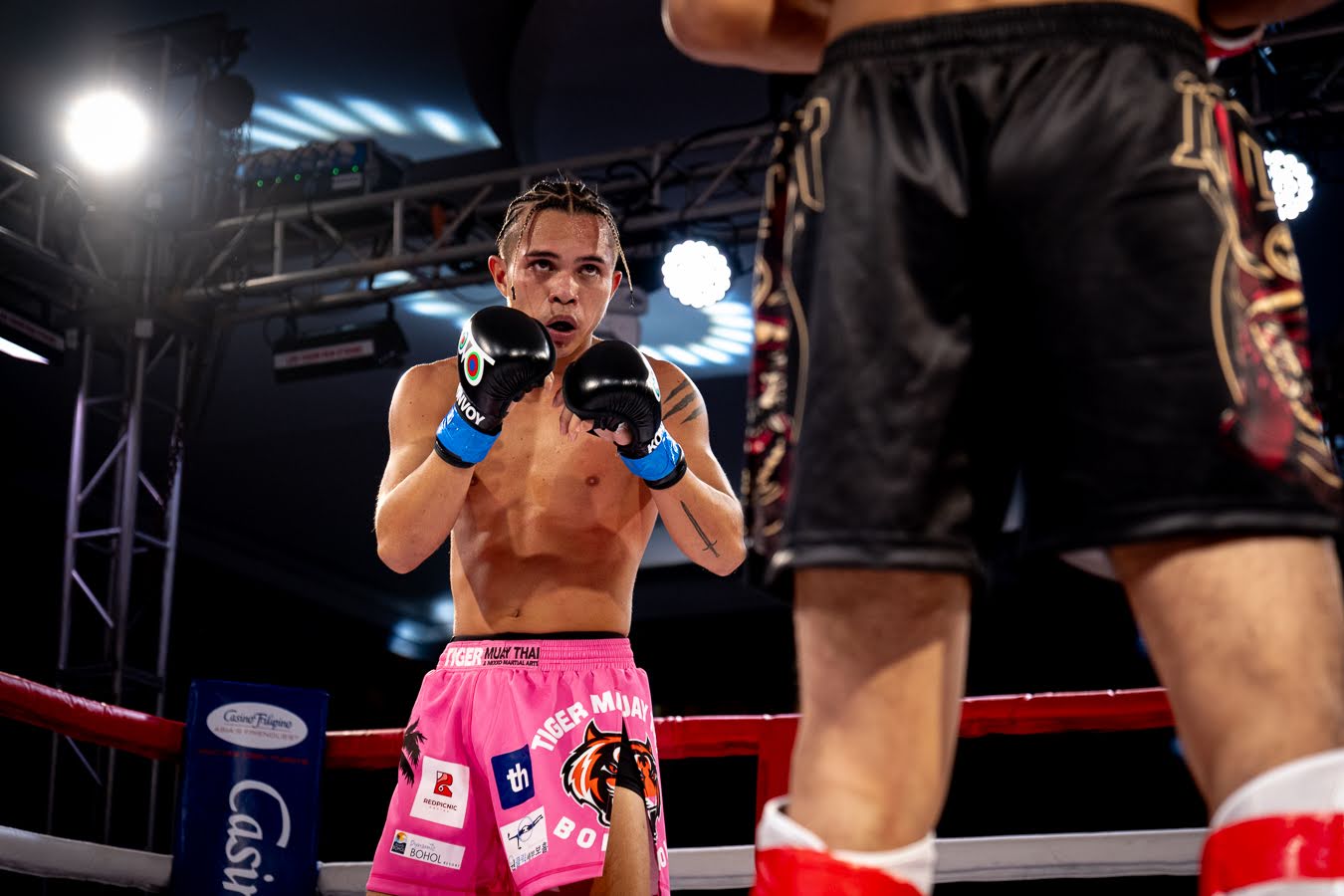
Cebu’s reputation as a combat sports city didn’t start with MMA. It started with boxing gyms in the barangays, Muay Thai clubs near the port, and a long tradition of Filipino martial arts that predates any ring. The infrastructure was already there – not in the form of corporate sponsorships or television deals, but in the form of coaches who stayed, gyms that survived, and a population that understood what it meant to train hard for something that mattered. When MMA began to grow in the Philippines, Cebu was ready not because it was trying to catch up, but because it had been preparing without knowing it.
A Combat Sports Culture Already in Motion
Walk into any established gym in Cebu and you’ll see the evidence: walls lined with fight posters, corner spaces stacked with pads and gloves that have seen years of use, and training schedules that accommodate everyone from office workers to full-time fighters. The city’s combat sports culture isn’t performative. It’s functional. Gyms like Team Lakay Cebu, Cebu Top Team, and smaller neighborhood clubs operate with the understanding that their role isn’t just to teach technique – it’s to produce fighters who can compete at a regional level and hold their own when the opening bell rings.
This culture extends beyond the gym walls. Cebu has a fanbase that shows up to local fight events not out of curiosity but out of loyalty. These are fans who know the fighters’ names, who understand the difference between a submission specialist and a pressure wrestler, and who respect the work that goes into every bout. That kind of audience doesn’t appear overnight. It’s built over years of consistent events, credible matchmaking, and a shared belief that what’s happening in the ring matters. According to research on the growth of combat sports in Southeast Asia, MMA participation has surged across the Philippines, with regional cities like Cebu playing a critical role in developing grassroots talent pipelines that feed national and international competition.
Why Cebu Produces Fighters Ready for the Next Level
Cebu fighters don’t come from academies that promise shortcuts. They come from gyms where the expectation is that you’ll spar hard, take your conditioning seriously, and show up even when you’re tired. That environment produces a specific kind of athlete: technically sound, mentally resilient, and comfortable under pressure. These aren’t fighters who fold when the pace picks up or when the crowd gets loud. They’re used to training in heat, used to rolling with partners who won’t give them easy rounds, and used to the reality that nobody’s going to hand them anything.
The city’s geographic position also matters. Cebu is a hub – not just for tourism, but for commerce, education, and regional connectivity. Fighters here have access to sparring partners from different islands, visiting coaches who pass through on their way to Manila or abroad, and a level of exposure that smaller cities can’t match. That cross-pollination of styles and training philosophies creates well-rounded fighters who aren’t limited by a single school’s approach. They adapt, they learn, and they bring that versatility into the ring.
The Gym Ecosystem Powering Cebu’s MMA Scene
Cebu’s gym ecosystem is built on a mix of established brands and independent coaches who’ve been in the city for years. Team Lakay Cebu brings the pedigree of one of the Philippines’ most respected fight teams, with a curriculum that emphasizes striking fundamentals and ring awareness. Cebu Top Team operates with a Brazilian Jiu-Jitsu foundation, producing grapplers who are comfortable on the mat and dangerous in transitions. Smaller gyms – often run out of converted warehouses or neighborhood spaces – focus on Muay Thai, boxing, or hybrid training that pulls from multiple disciplines.
What makes this ecosystem work is the lack of insularity. Fighters cross-train. Coaches collaborate. Gyms host open mat sessions where athletes from different teams can test their skills in a controlled but competitive environment. That culture of shared improvement is what separates a city with gyms from a city with a fighting ground. Cebu is the latter. The physical and mental benefits of mixed martial arts training are well-documented, but in Cebu, the emphasis is less on fitness trends and more on building fighters who can perform when it counts.
What Konvoy Brings to Cebu’s Fighting Ground
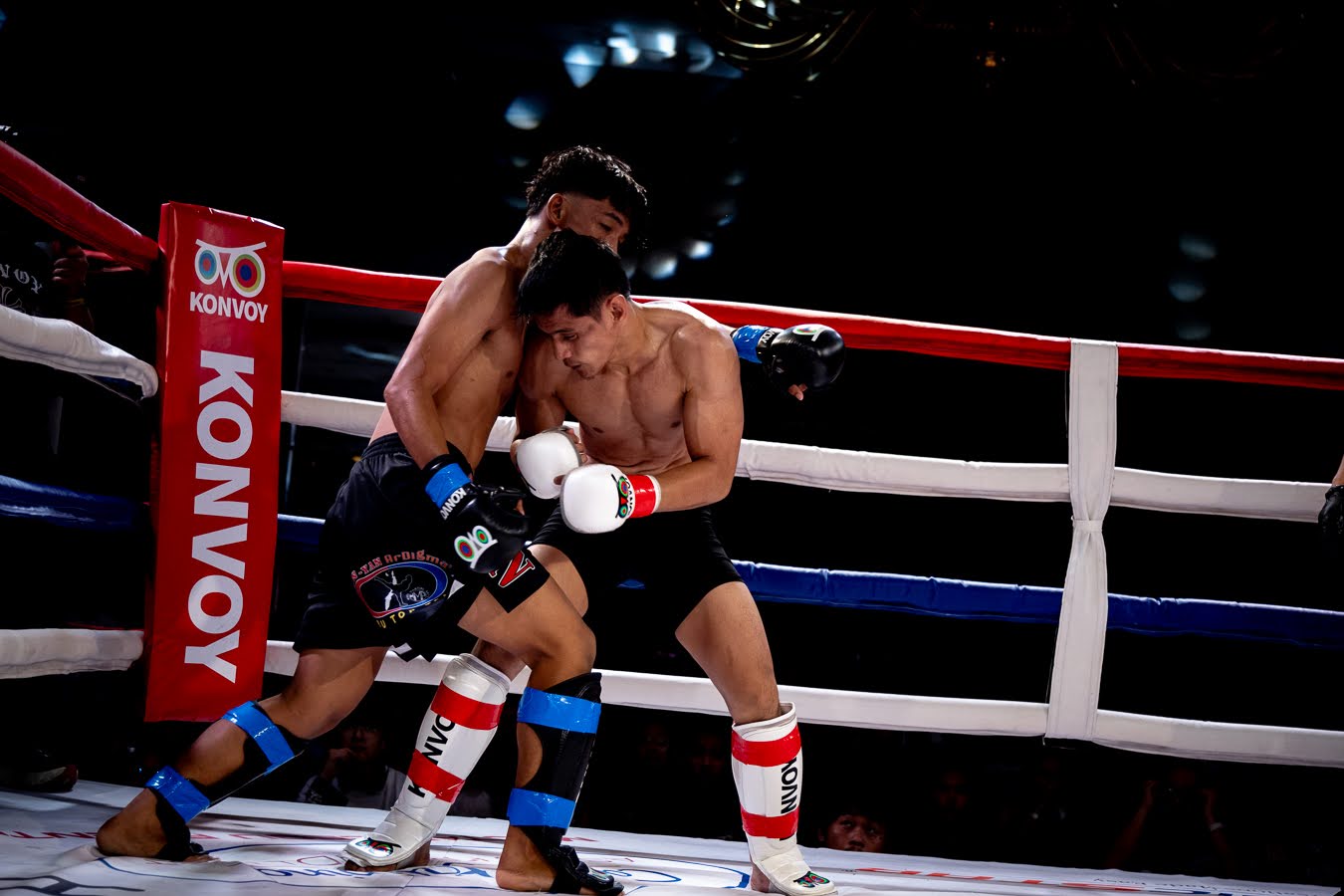
Konvoy entered Cebu’s MMA scene in 2025 with a clear mandate: build a promotion that treats amateur and semi-pro fighters like professionals, create events that fans want to attend, and establish a platform that bridges the gap between local gyms and regional competition. The promotion didn’t arrive with the assumption that it needed to educate Cebu about MMA. It arrived with the assumption that Cebu already had the talent, the gyms, and the audience – and that what was missing was a consistent, high-production stage that could showcase all of it.
A Stage Built for Amateur and Semi-Pro Fighters
Konvoy’s core focus is on fighters who are past the beginner stage but not yet signed to international contracts. These are athletes who’ve won fights at local smokers, who’ve put in years at their gyms, and who need a platform that will take them seriously. Konvoy provides that platform with structured matchmaking, weight-class enforcement, and medical oversight that matches what fighters would expect at higher levels. The promotion doesn’t treat amateur MMA as a stepping stone to “real” fights. It treats it as legitimate competition that deserves the same respect, the same production quality, and the same level of fighter care.
Every Konvoy card is built with progression in mind. Fighters aren’t thrown into mismatches. They’re paired against opponents with similar experience levels, similar records, and similar styles – or deliberately different styles if the matchup makes sense from a competitive standpoint. That approach creates fights that are winnable for both sides, which means fans get to see real back-and-forth action instead of one-sided beatdowns. For fighters, it means every bout is a test, and every win is earned.
Production Values That Match the Fighters’ Ambition
Konvoy’s production setup is designed to make fighters look and feel like professionals. Multi-camera coverage captures every angle of the action. Ring announcers and commentary teams provide context and energy without overselling the moment. Lighting, sound, and video boards are calibrated to create an atmosphere that feels like a major event, not a local smoker in a rented hall. Fighters walk out to music, get introduced with their full records, and compete in a ring that’s maintained to the same standards you’d see at higher-level promotions.
This isn’t about spectacle for its own sake. It’s about signaling to fighters that their work matters, that their performance will be documented in a way that does justice to their preparation, and that when they share footage from their fight, it won’t look like an afterthought. For fighters building a record and a profile, that production quality is the difference between a highlight reel that gets noticed and footage that gets scrolled past.
The Korea-Philippines Connection at the Heart of Konvoy
Konvoy is a South Korean-founded promotion operating in the Philippines, and that cross-border identity shapes how the organization operates. The Korean side brings organizational discipline, a commitment to long-term planning, and a production mindset that prioritizes polish and consistency. The Filipino side brings the fighters, the gyms, the fanbase, and the cultural understanding of what combat sports mean in this part of the world. That combination creates a promotion that operates with professionalism but stays rooted in the local scene.
The Korea-Philippines connection also opens doors for fighters. Konvoy’s network extends beyond Cebu, creating opportunities for Filipino fighters to compete on cards in other markets and for Korean athletes to test themselves in the Philippines. That exchange benefits everyone. Filipino fighters get exposure to different styles and different audiences. Korean fighters get experience in a city where MMA is taken seriously and where the competition is legitimate. And fans in both countries get to see matchups that wouldn’t happen otherwise.
Inside a Konvoy Event: What Fighters and Fans Experience
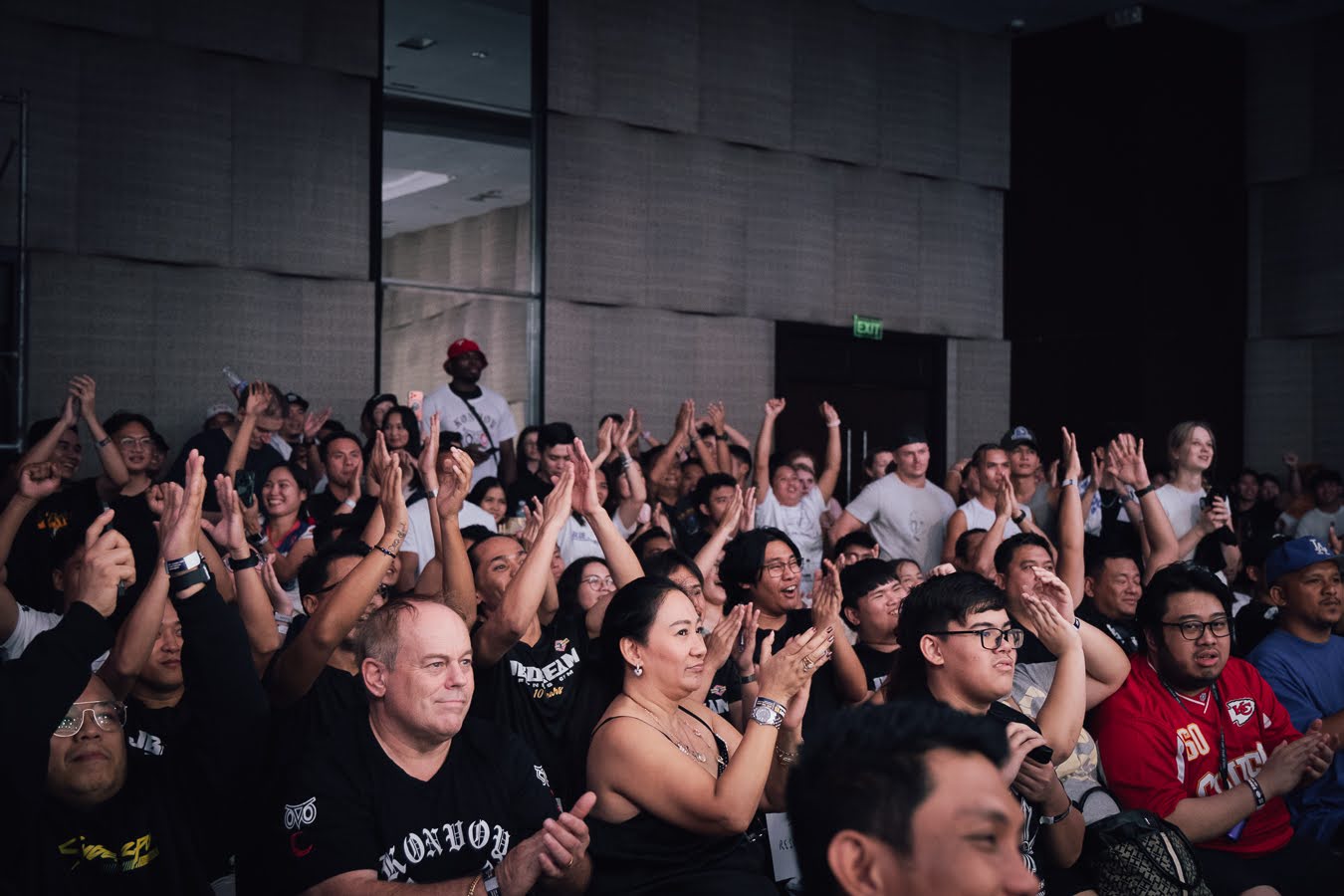
A Konvoy event is structured like a professional fight card, with an undercard that builds momentum, a co-main event that delivers a high-level matchup, and a main event that closes the night with the card’s most anticipated fight. Every bout is timed, every fighter is introduced with full ceremony, and every result is recorded and submitted to the relevant athletic bodies. The experience for fighters and fans alike is designed to feel legitimate – because it is.
The Card Structure: From Undercard to Main Event
Konvoy cards typically feature eight to twelve bouts, spread across multiple weight classes and experience levels. The undercard showcases newer fighters who are building their records, often featuring athletes with fewer than five professional or semi-pro bouts. These fights set the tone for the night and give the crowd a chance to discover new names. The middle of the card features more experienced fighters with established records, often in matchups that have title implications or regional bragging rights on the line. The co-main and main events are reserved for the card’s highest-profile fighters – athletes who’ve proven themselves on previous Konvoy cards or who are making their debut with significant hype behind them.
This structure ensures that fans get a full night of action, with pacing that keeps energy high and downtime minimal. Fighters know where they sit on the card and what’s expected of them. Undercard fighters understand they’re building toward bigger spots. Main event fighters know they’re carrying the promotional weight of the entire card. That clarity creates a sense of purpose that runs through the entire event.
How Konvoy Covers Its Fighters Like Pros
Konvoy treats fighter coverage as a core part of the promotion’s mission. Every athlete on a Konvoy card gets a fighter profile that includes their record, their gym affiliation, and a short bio that gives fans context for who they are and why they fight. Social media coverage begins weeks before the event, with fighter spotlights, training footage, and behind-the-scenes content that builds anticipation. On fight night, every bout is filmed from multiple angles, with instant replay capability and commentary that breaks down what’s happening in real time.
After the event, fighters receive high-quality footage of their bout, along with promotional graphics they can use on their own social channels. Konvoy doesn’t gate that content or charge fighters for access. The footage is theirs, and the promotion actively encourages fighters to share it, tag Konvoy, and build their own profiles. That approach creates a feedback loop where fighters become ambassadors for the promotion, and the promotion becomes a platform that fighters want to return to.
The Venue Atmosphere That Sets Konvoy Apart in Cebu
Konvoy events are held in venues that can accommodate large crowds while maintaining an intimate, high-energy atmosphere. The ring is positioned at the center of the floor, with seating arranged in tiers that give every fan a clear view of the action. Lighting is calibrated to focus attention on the ring while keeping the crowd visible, creating a sense that the entire room is part of the event. Sound systems are loud enough to carry the impact of strikes and the roar of the crowd without overwhelming the space.
The atmosphere at a Konvoy event is electric but controlled. Security is present but unobtrusive. Alcohol is available but not the focus. The crowd is there to watch fights, and the venue setup reflects that priority. Between bouts, video boards show replays, highlight reels, and upcoming matchups, keeping fans engaged even during downtime. The result is an experience that feels like a major sporting event, not a bar brawl with a ring in the corner.
Competing at Konvoy: What Cebu Fighters Need to Know
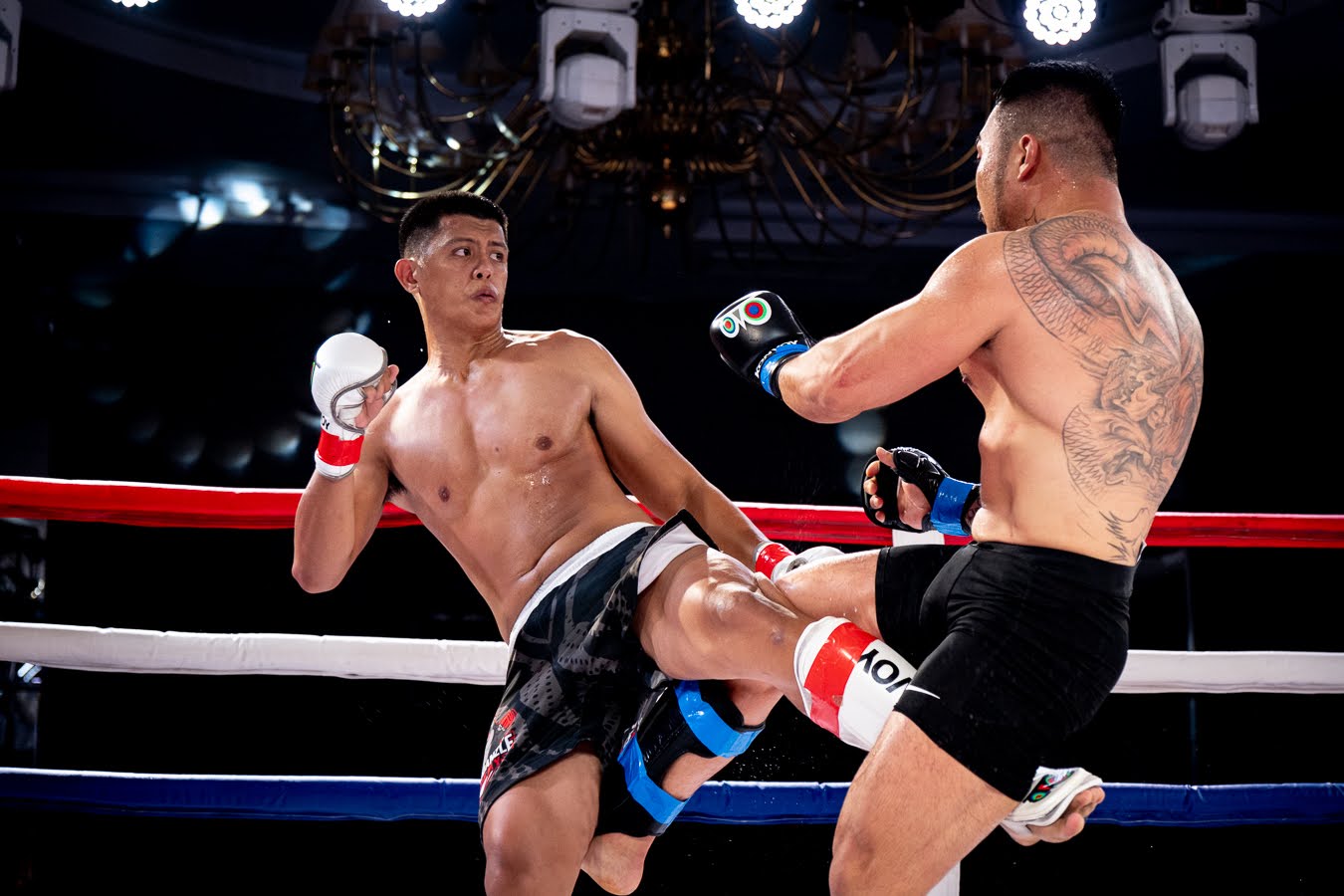
Konvoy is open to fighters who meet the promotion’s eligibility standards and who are serious about competing at a semi-professional level. The process is designed to be transparent, with clear requirements and a straightforward registration system. Fighters who want to compete on a Konvoy card need to understand what the promotion is looking for, how to apply, and what competing on a Konvoy event will do for their career.
Who Is Eligible to Fight on a Konvoy Card
Konvoy accepts fighters who are at least 18 years old, who have completed a minimum level of training at a recognized gym, and who can provide proof of recent medical clearance. The promotion prioritizes fighters with amateur or semi-pro experience, but will consider debut fighters if they come with a strong recommendation from a reputable coach and can demonstrate readiness in a pre-fight evaluation. Fighters must compete in their appropriate weight class and must be able to make weight on the day of the official weigh-in.
How to Register and What the Process Looks Like
Fighters interested in competing on a Konvoy card can register through the promotion’s official website or by contacting Konvoy directly through its social media channels. The registration process requires fighters to submit their full name, weight class, fight record, gym affiliation, and contact information for their coach. Fighters must also provide a recent medical clearance form and proof of training history.
Once a fighter’s registration is received, Konvoy’s matchmaking team reviews the submission and determines whether there’s a suitable opponent available for an upcoming card. If a match is made, the fighter is contacted with details about the event date, the opponent’s record, and the terms of the bout. Fighters have the option to accept or decline the matchup. If they accept, they’re added to the card and begin the official fight camp process, which includes regular check-ins with Konvoy’s team and a mandatory pre-fight meeting to review rules and procedures.
What Competing on Konvoy Does for Your Record and Profile
A bout on a Konvoy card becomes part of a fighter’s official record and is documented with video footage, fight statistics, and media coverage that fighters can use to build their profile. Winning on a Konvoy card establishes credibility within the Cebu MMA scene and signals to other promotions that a fighter is ready for higher-level competition. Fighters who perform well on Konvoy cards are often invited back for future events, with the opportunity to move up the card and compete in co-main or main event slots.
Beyond the record, competing on Konvoy provides fighters with exposure to a fanbase that follows the promotion closely, access to professional-quality fight footage, and the chance to be part of a growing regional circuit. Fighters who compete on multiple Konvoy cards build name recognition, develop a following, and position themselves as serious athletes within the Filipino MMA community. That visibility opens doors to sponsorship opportunities, training partnerships, and invitations to compete on other regional cards.
Watching Konvoy Live: The Fan Experience in Cebu
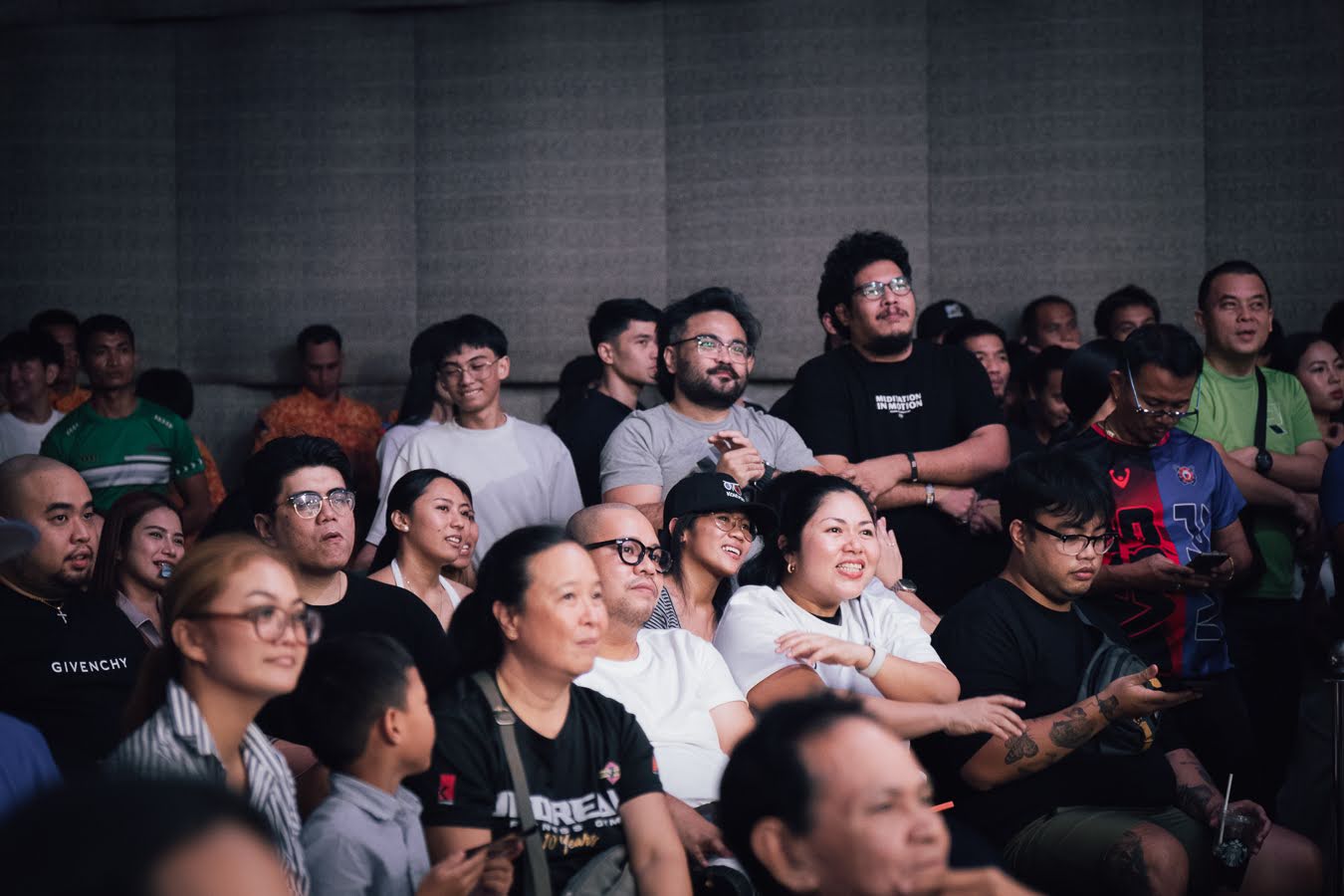
Attending a Konvoy event is the best way to experience what the promotion is building in Cebu. The live atmosphere, the energy of the crowd, and the proximity to the action create an experience that can’t be replicated on a screen. For fans who want to be part of Cebu’s MMA scene, Konvoy events are where that scene comes to life.
Tickets, Doors, and What to Expect on Event Night
Tickets for Konvoy events are available online through the promotion’s website and at select retail locations in Cebu. Pricing is tiered, with general admission, reserved seating, and VIP options that include closer views of the ring and access to exclusive areas. Doors typically open two hours before the first bout, giving fans time to find their seats, grab food and drinks, and settle in before the action starts.
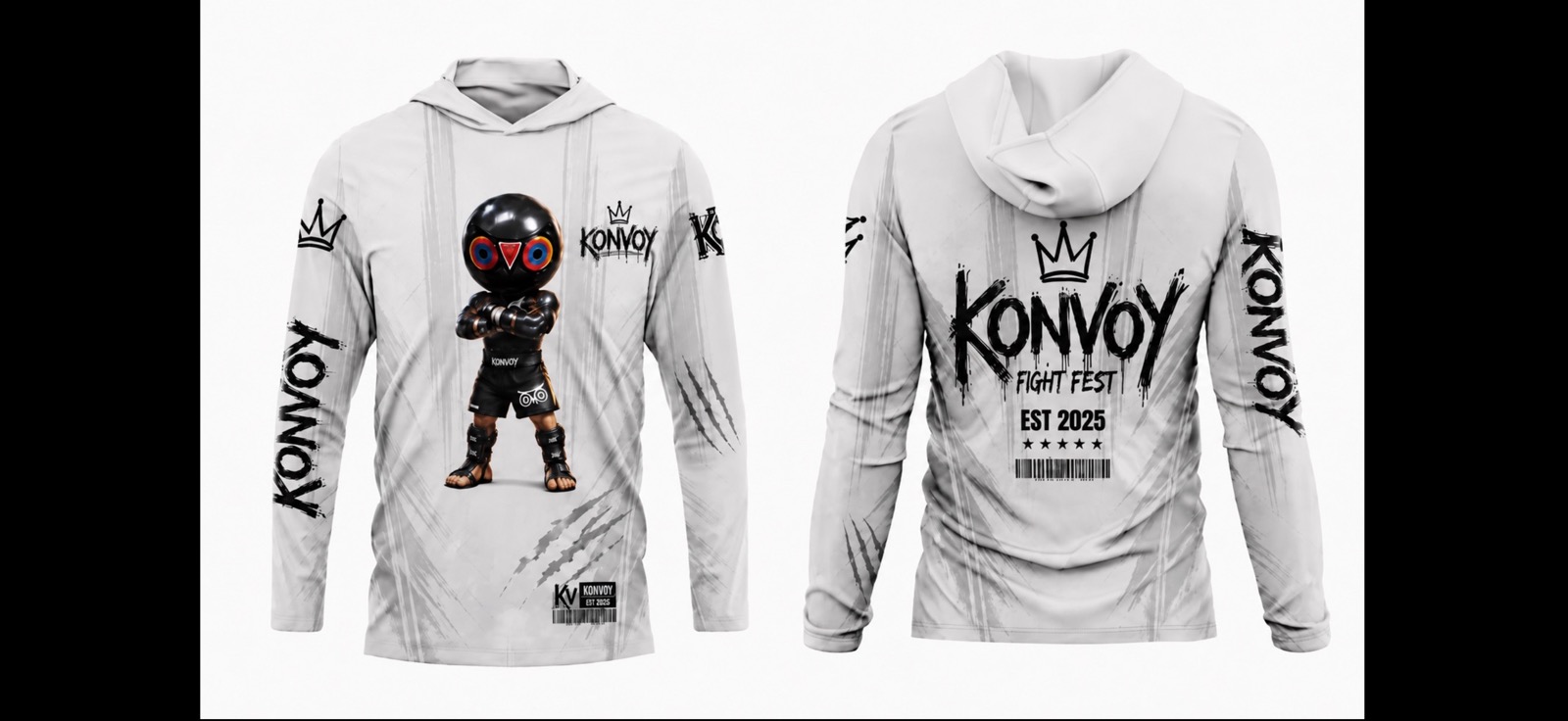
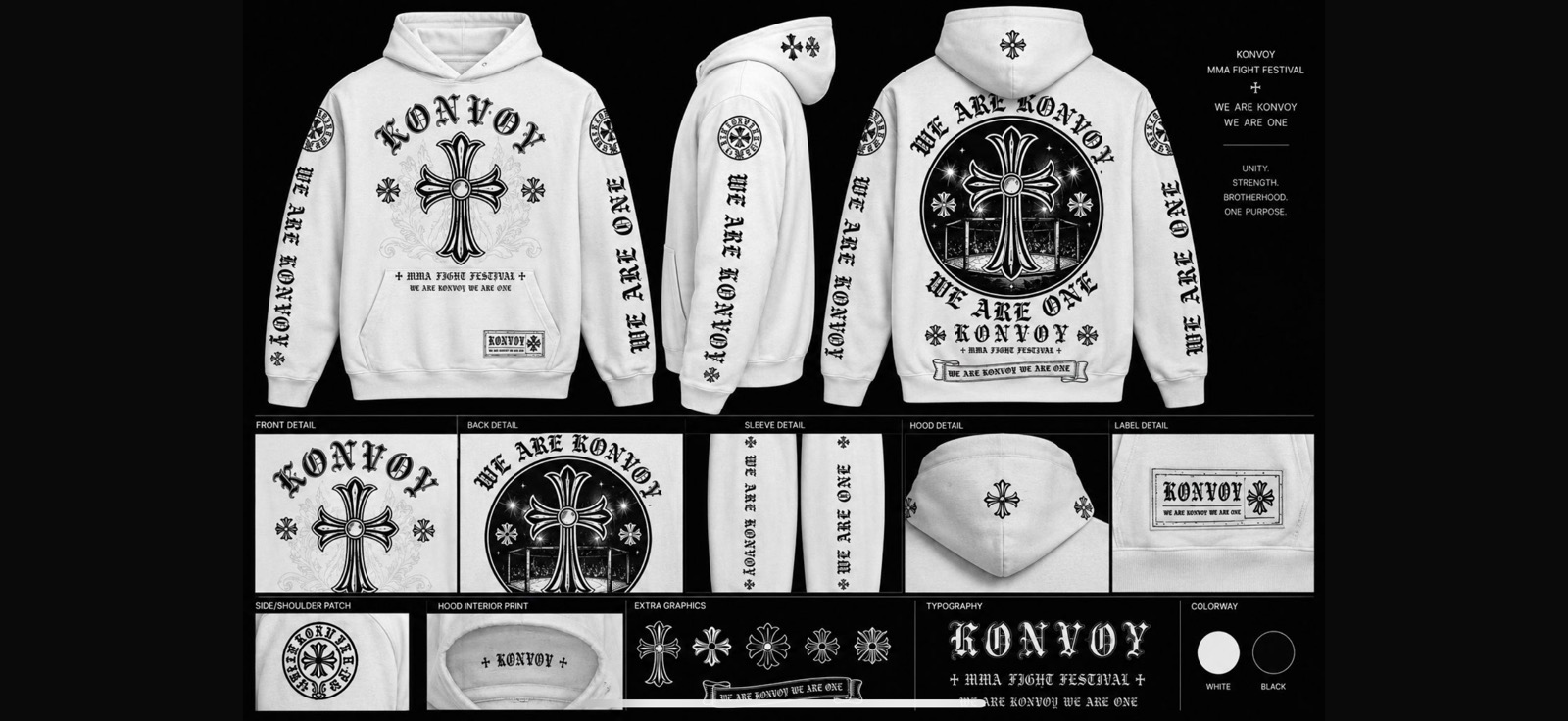
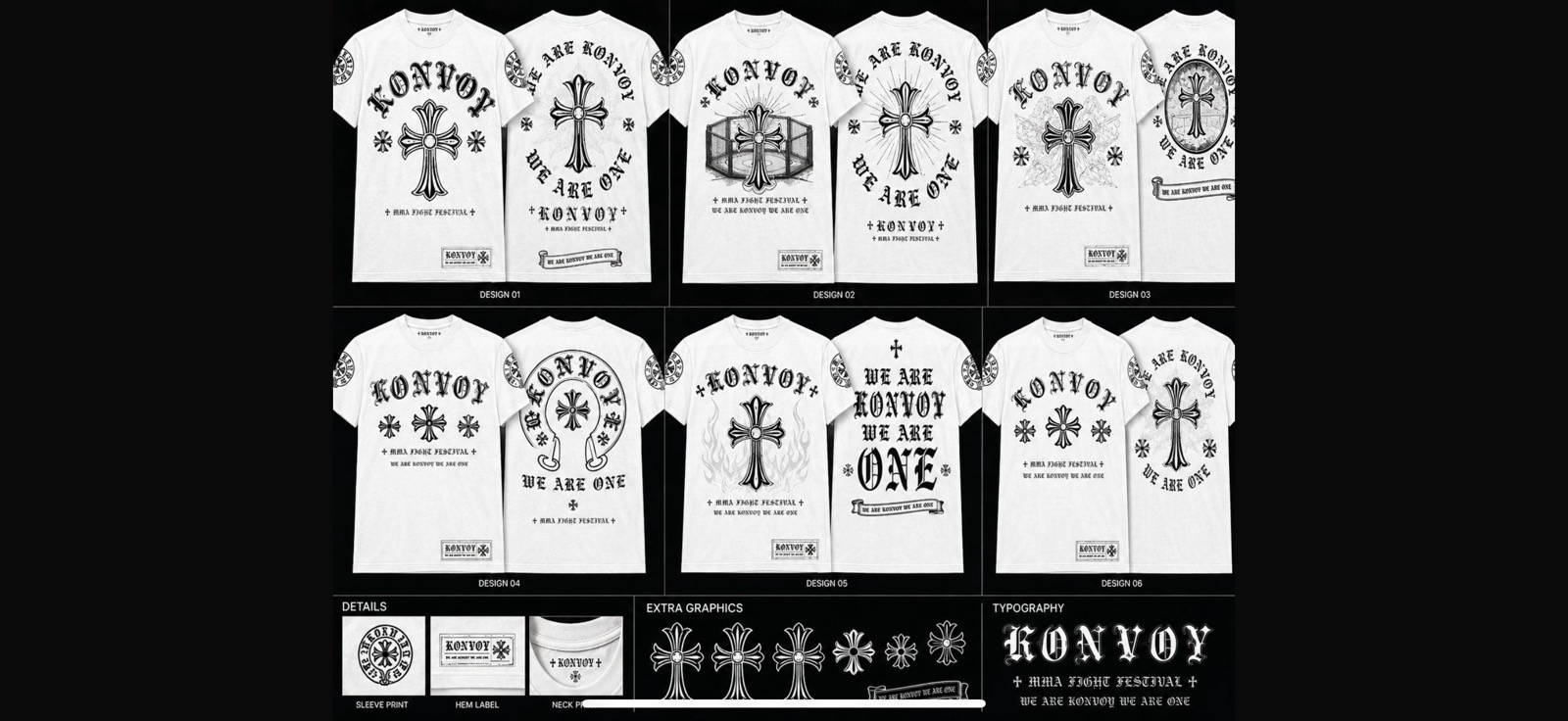
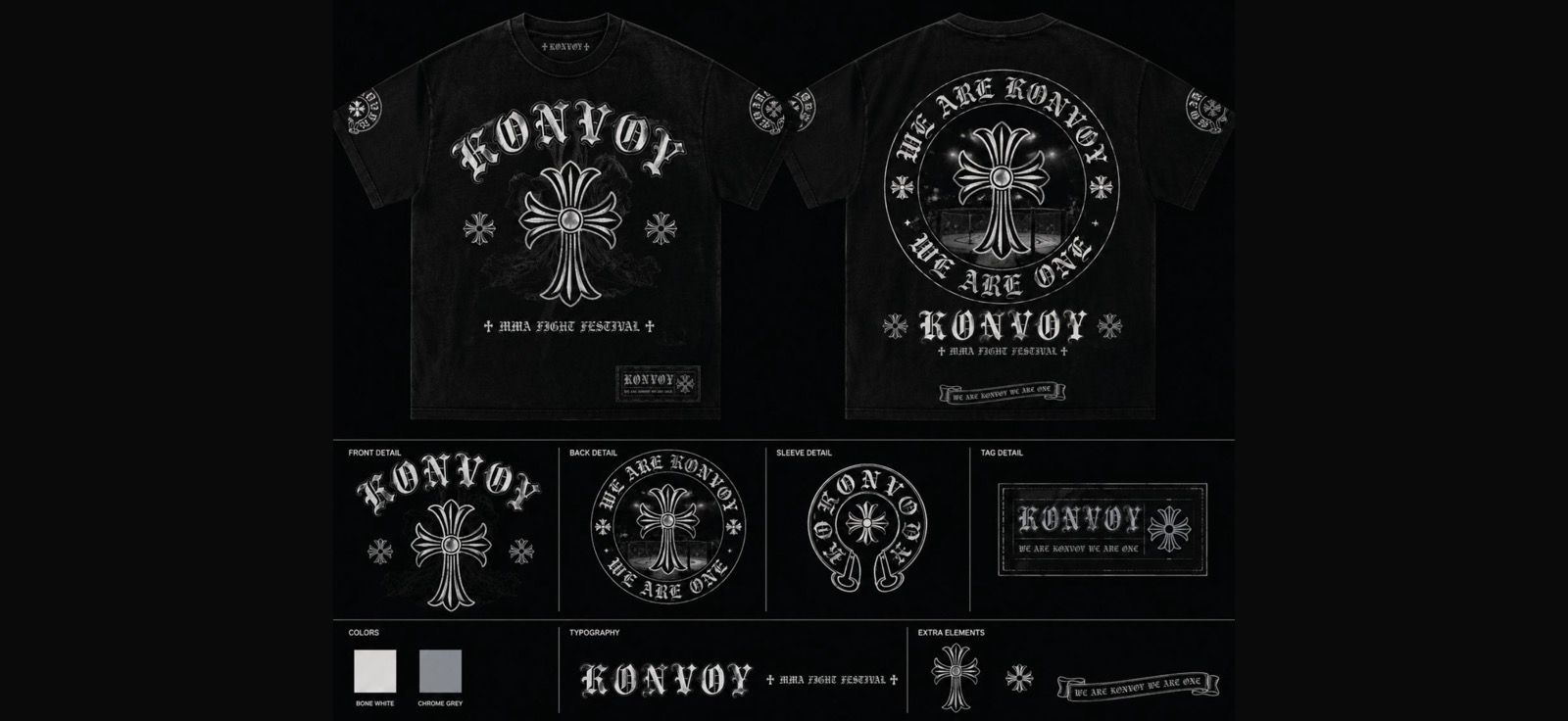
On event night, fans can expect a full card of fights, with bouts starting on schedule and minimal delays between matchups. The venue is equipped with large video boards that show replays, fighter entrances, and live footage of the action. Concessions are available throughout the event, and merchandise stands offer Konvoy-branded apparel and fighter gear. The atmosphere is loud, energetic, and focused on the fights, with a crowd that knows the sport and reacts to every significant moment.
Following Konvoy Fighters Between Events
Konvoy maintains an active social media presence that keeps fans connected to the promotion’s fighters between events. Fighter spotlights, training updates, and behind-the-scenes content are posted regularly, giving fans a window into what fighters are working on and what’s coming next. Fighters who compete on Konvoy cards are encouraged to share their own content and tag the promotion, creating a network of voices that keeps the Konvoy community engaged year-round.
Fans who want to follow specific fighters can do so through Konvoy’s fighter roster page, which includes links to each athlete’s social media profiles and a record of their Konvoy performances. The promotion also runs fan engagement initiatives, including meet-and-greets, Q&A sessions, and gym tours that give fans direct access to the fighters they support. That level of interaction builds loyalty and turns casual fans into dedicated supporters who show up to every event.
How to Stay Connected to the Konvoy Community
Staying connected to Konvoy is as simple as following the promotion on Instagram, Facebook, and YouTube, where event announcements, fight highlights, and community updates are posted regularly. Konvoy also runs a mailing list that sends subscribers early access to ticket sales, exclusive content, and behind-the-scenes updates that aren’t available on public channels. Fans who want to be part of the Konvoy community can also join the promotion’s online discussion groups, where they can connect with other fans, debate matchups, and share their own fight predictions.
Konvoy’s community isn’t just about watching fights. It’s about being part of a movement that’s building something real in Cebu. Fans who show up to events, who support fighters on social media, and who spread the word about what Konvoy is doing are the ones who make the promotion’s growth possible. Konvoy recognizes that and treats its fanbase as partners in the mission to make Cebu a recognized MMA fighting ground in Asia.
Konvoy’s Vision for Cebu’s MMA Future
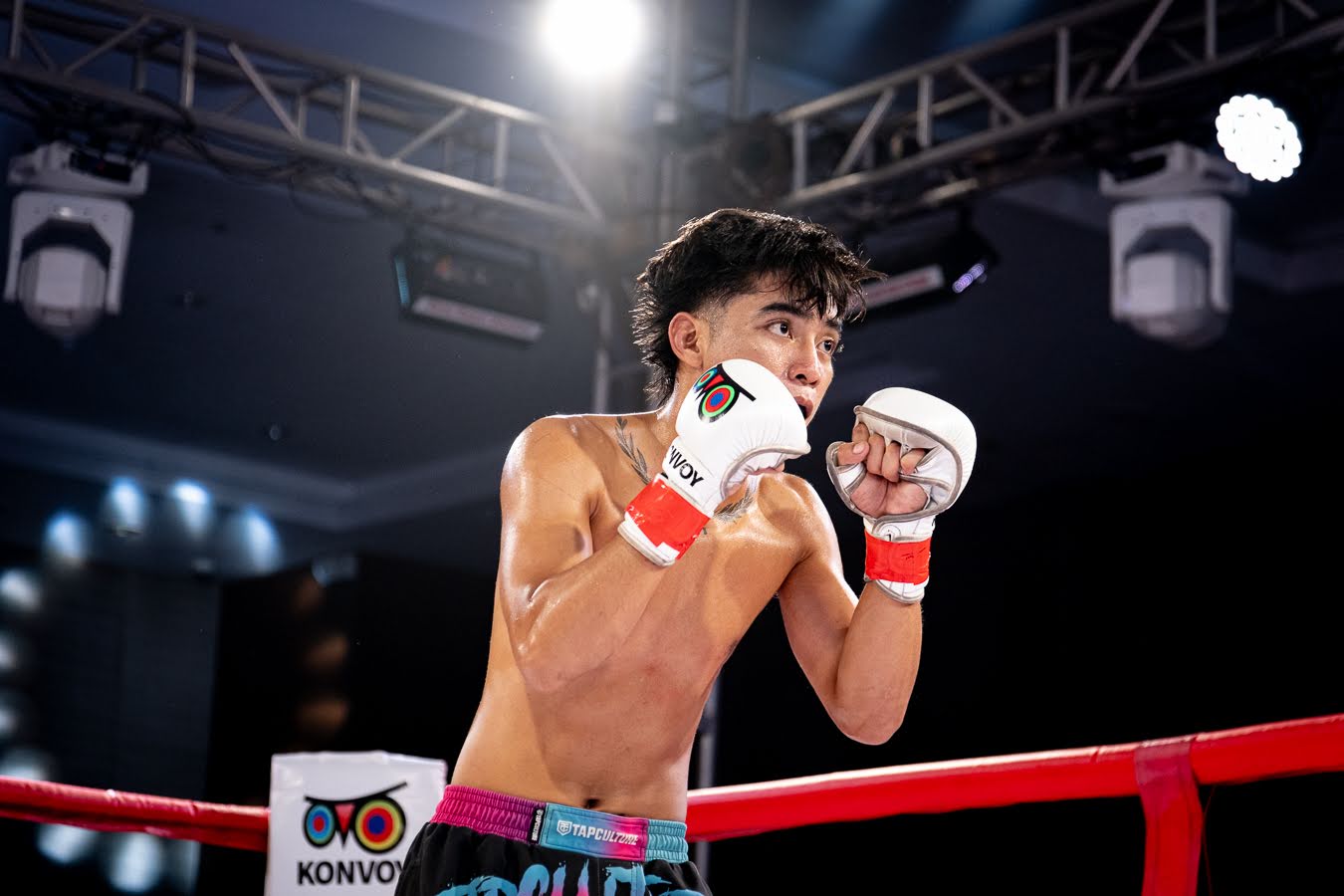
Konvoy’s long-term vision extends beyond individual events. The promotion is building a regional circuit that starts in Cebu but has the potential to expand across the Philippines and into other Southeast Asian markets. The goal is to build a sustainable pathway for fighters to compete, develop, and gain exposure while giving Cebu fans consistent access to high-quality live MMA and strengthening the city’s place in the regional combat sports landscape.
Join Cebu’s Next Fight Night
Ready to experience Cebu’s fighting ground for yourself? Get tickets for the next Konvoy event or join the Konvoy Circuit. Fighters and fans can also read our amateur MMA rules guide, learn how MMA fights are scored, and explore the path from an MMA gym in Cebu to live competition.


.svg)
.svg)