September 4, 2026
Amateur MMA Rules Explained: What Cebu Fighters and Fans Should Know
Understand amateur MMA rules, fouls, protective equipment, eligibility, and weigh-ins before competing in or watching a fight event in Cebu.
On fight night in Cebu, the walk to the ring feels serious long before the opening bell. Families are watching, coaches are reading body language, and first-time fans are trying to understand why one technique is allowed while another earns a warning. That is where amateur MMA rules matter: they shape the bout before the fighters ever touch gloves.
This guide explains amateur MMA rules in plain language for Cebu fighters, families, coaches, and fans. IMMAF rules are used as the main reference point because the International Mixed Martial Arts Federation rules framework is widely recognized in amateur MMA, but every athlete should confirm the current rules with the applicable promoter, sanctioning body, and local regulator for the specific card.
What Makes an MMA Bout Amateur

An amateur MMA bout is not simply a smaller version of a professional fight. It is a competition format built around athlete development, controlled progression, and a more restrictive rule set. In amateur MMA Cebu, that distinction matters because a fighter may be skilled in the gym but still early in competitive experience.
Under IMMAF rules and many amateur MMA rules Philippines events, the amateur label affects eligibility, equipment, techniques, round structure, and how officials manage risk. The applicable promoter, sanctioning body, and local regulator may use a different or updated ruleset, so the label “amateur” should never be treated as a complete rules explanation by itself.
Amateur status and athlete-development pathways
Amateur status usually means the athlete is competing before entering paid professional MMA. The goal is to test skills under pressure while keeping the bout appropriate for fighters who are still building competitive judgment. A Cebu fighter might have years of boxing, wrestling, Brazilian jiu-jitsu, Muay Thai, or sanda training, yet still be considered new to MMA competition because MMA blends those ranges under one rule set.
Amateur pathways help coaches judge whether a fighter can handle distance, clinch exchanges, takedowns, submissions, ring awareness, and referee commands in real time. They also help matchmakers build fairer bouts. Before accepting a match, athletes should confirm how the promoter defines amateur status and whether the sanctioning body treats previous combat sports experience as relevant.
How amateur competition differs from professional MMA
Professional MMA generally allows a broader range of techniques and may have longer rounds, different equipment, and different contractual obligations. Amateur MMA rules are more controlled. For example, many amateur rulesets restrict certain elbow strikes, knee strikes to the head, heel hooks, or attacks against grounded opponents, depending on the sanctioning body.
The difference is not about making amateur fighters less serious. It is about matching the rules to the stage of development. A professional fighter is expected to manage higher-risk positions with more experience. An amateur fighter is still proving that they can compete responsibly under pressure.
Why the applicable sanctioning rules must be confirmed
IMMAF rules are a useful benchmark, but they are not automatically the binding rules for every Cebu card. A promoter, sanctioning body, venue requirement, or local regulator may apply a modified ruleset. The Philippines has public sports regulation structures, and fighters can start by checking official bodies such as the Games and Amusements Board while still confirming the exact event rules directly with the promoter.
Do not rely on gym talk, old bout footage, or rules from another country. Ask for the current written ruleset before fight week. Amateur MMA rules can change, and a rule that was legal on one card may be banned on another.
Amateur MMA Bout Format and Round Length

Bout format tells fighters how to pace themselves and tells fans what kind of contest they are watching. Round length affects strategy, conditioning, risk-taking, and corner advice. In amateur MMA, shorter rounds are common because the format is designed to test complete skills without copying the full professional structure.
Still, there is no substitute for the official bout agreement and ruleset. The applicable promoter, sanctioning body, and local regulator may set different round lengths, especially for tournaments, finals, exhibitions, or special amateur divisions.
Typical number and duration of rounds
Many amateur MMA bouts use three rounds, often shorter than professional rounds. Depending on the ruleset, amateur rounds may be three minutes rather than five. Championship or tournament finals may use a different structure, but fighters should not assume that until it is written in the event rules.
For Cebu fighters, this changes preparation. Three short rounds reward fast reads, clean entries, disciplined exits, and strong corner communication. There is less time to recover from a bad first minute, so fighters must understand the scoring criteria and avoid losing position through impatience.
Rest periods and the referee’s authority
Rest periods are usually fixed by the ruleset and controlled by the officials. During the break, the corner has limited time to give tactical instructions, check equipment, and prepare the athlete for the next round. Fighters should listen for official commands because the referee, timekeeper, and inspectors control the rhythm of the bout.
The referee’s authority is central. A referee can pause action, issue warnings, deduct points, restart fighters, stop a submission sequence, or end the bout when the rules require it. Under IMMAF rules and similar amateur frameworks, the referee is not just observing; the referee is actively enforcing safety, fairness, and legal technique.
How tournament formats may differ
Tournaments can change the practical meaning of amateur MMA rules. A fighter may compete more than once across a tournament period, and organizers may adjust bout duration, advancement procedures, equipment checks, or rest requirements. Tournament brackets also create different strategic demands because the goal is not only to win one bout but to preserve performance across the format.
Cebu athletes should ask whether tournament rules differ from single-bout rules. Confirm the number of possible bouts, the weigh-in process, tie-breaking procedures, and whether finals follow a different structure. The applicable promoter, sanctioning body, and local regulator may publish tournament-specific rules that override assumptions from ordinary amateur bouts.
Legal Techniques and Common Fouls
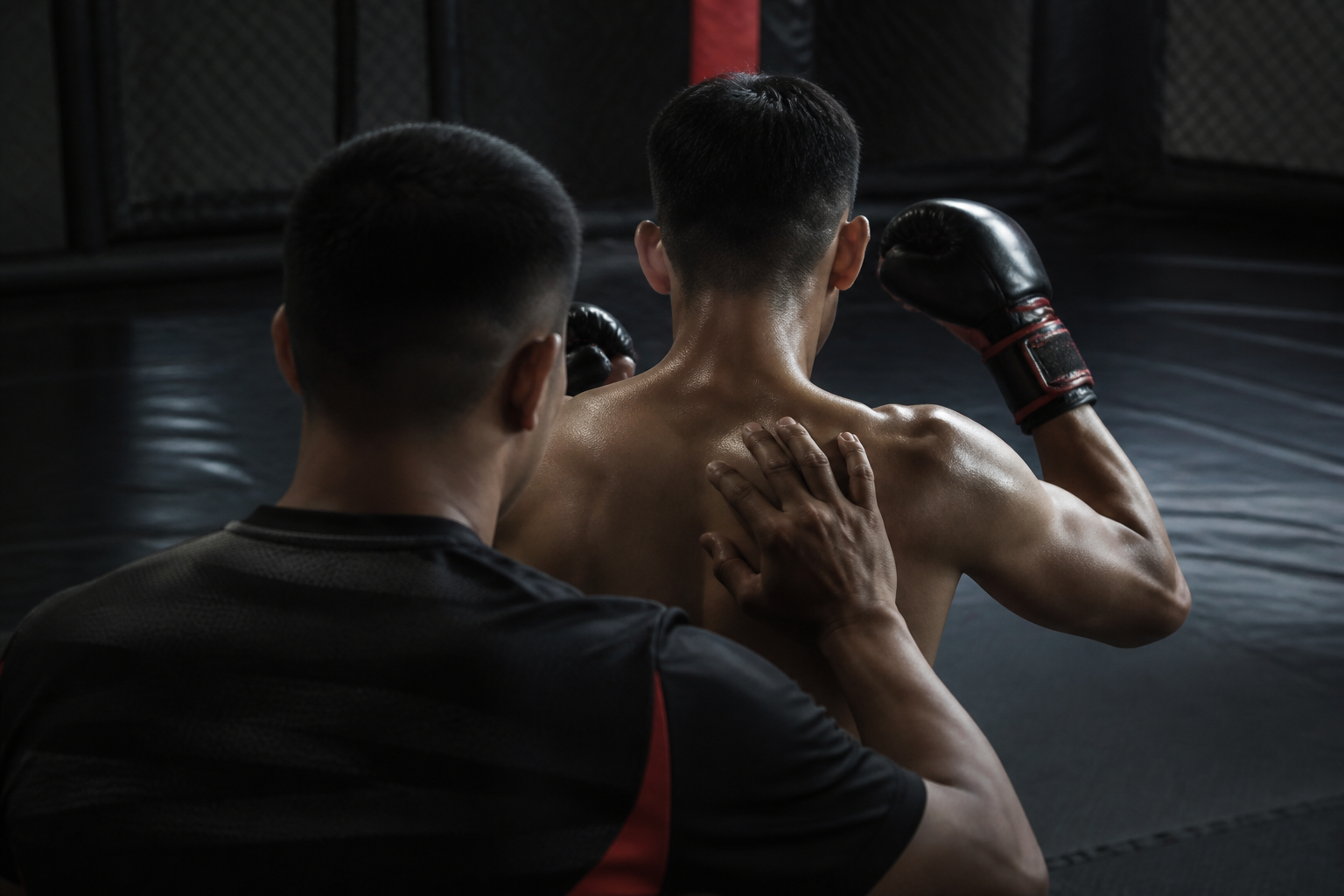
MMA combines striking, clinching, takedowns, ground control, and submissions, but “mixed” does not mean unlimited. Amateur MMA rules define which techniques are legal, which are restricted, and which fouls can change or end a bout.
For first-time fans, many confusing moments happen because a technique is legal in one position but illegal in another. For fighters, knowing those details is part of competition readiness. The current event ruleset always controls.
Permitted striking and grappling techniques
In most amateur MMA rulesets, fighters may use punches, selected kicks, clinch work, takedowns, positional control, guard passing, sweeps, escapes, and many submission attacks. Legal techniques depend on target area, body position, equipment, athlete division, and sanctioning rules.
A jab, low kick, double-leg takedown, body lock, rear-naked choke, armbar, or triangle choke may be legal when performed within the rules. But details matter. Some amateur rules restrict elbows, heel hooks, neck cranks, certain slams, or knees to particular targets. Before competing, fighters should review the exact foul list rather than relying on what is common in professional MMA.
Fouls involving the head, eyes, spine, and grounded opponents
Common MMA fouls include eye attacks, headbutts, strikes to the spine or back of the head, groin attacks, hair pulling, small-joint manipulation, biting, and holding the ropes. Rules around grounded opponents are especially important because amateur rules often restrict attacks that are legal or treated differently in professional contexts.
For example, a strike that is legal while both fighters are standing may become illegal when one fighter is grounded, depending on the ruleset. The Association of Boxing Commissions and Combative Sports publishes professional regulatory materials that help show how combat sports rules are formally defined, but amateur events may be more restrictive and must be confirmed separately.
Warnings, point deductions, and disqualification
When a foul happens, the referee may give a verbal warning, pause the bout, deduct a point, restart the action in a specific position, or disqualify a fighter. The decision depends on whether the foul was accidental or intentional, how severe it was, whether it affected the bout, and what the ruleset requires.
Fighters should treat warnings seriously. A single careless foul can erase a strong round. Repeated fouls can cost the bout. Coaches should drill legal entries and legal finishes, especially in scrambles near the ropes, because fatigue and adrenaline are where rules mistakes often appear.
Required Protective Equipment

MMA protective equipment is one of the clearest differences between amateur and professional competition. Amateur fighters usually wear more protective gear because the rule set is designed for development and controlled exposure.
Equipment rules are not universal. IMMAF rules may be used as a reference, but the applicable promoter, sanctioning body, and local regulator may require specific brands, sizes, colors, inspections, or replacements on event day.
Gloves, shin guards, and mouthguards
Amateur MMA fighters commonly wear approved open-finger gloves, shin guards, and mouthguards. Gloves must allow grappling while offering hand protection. Shin guards reduce damage in kicking exchanges, especially for developing athletes still learning distance and timing under pressure.
Mouthguards are normally required and should be properly fitted before fight week. Fighters should not arrive with equipment they have never trained in. Gloves and shin guards can affect grip, guard retention, kicking speed, and takedown defense, so equipment familiarity is part of preparation.
Clothing and personal equipment rules
Clothing rules usually control shorts, rash guards, compression gear, groin protection, hair control, jewelry, and anything that could create unfair advantage or injury risk. Some divisions may require rash guards; others may not. Colors may be assigned by corner or bout order.
Personal equipment should be simple, secure, and approved. No jewelry, hard accessories, loose fasteners, or altered gear should be used. Fighters should ask in advance whether they must supply their own gear or use event-provided equipment.
Pre-bout equipment inspections
Before a bout, officials may inspect gloves, shin guards, wraps, clothing, mouthguards, and other required equipment. The goal is to confirm that both athletes enter the ring under the same standards. Failed equipment checks can delay a bout or force a replacement.
Cebu fighters should pack backups where allowed and arrive early enough to resolve issues. Do not assume that gear approved in training will pass event inspection. The applicable promoter, sanctioning body, and local regulator may enforce equipment rules differently from one card to the next.
Weigh-Ins and Athlete Eligibility

MMA weigh-in rules exist to place fighters in the correct weight class and confirm that the bout matches the event’s eligibility standards. For amateur fighters, eligibility can include age, experience, amateur status, division rules, and documentation requested by the promoter.
This guide does not describe event-specific screening or clearance requirements. Athletes should ask the promoter what documentation is required for their specific card and follow the instructions from the applicable sanctioning body and local regulator.
Age, experience, and amateur-status requirements
Amateur MMA athlete eligibility often depends on age division, competitive history, and whether the athlete has competed professionally. A fighter with professional MMA experience may not be eligible for an amateur bout. Prior experience in boxing, kickboxing, wrestling, jiu-jitsu, or Muay Thai may also affect matchmaking even when it does not change amateur status.
Coaches should be honest about an athlete’s record and experience. Fair matchmaking protects the integrity of the card and helps fighters develop properly. A mismatch does not help the Cebu scene grow; a competitive bout does.
Weigh-in procedures and weight-class compliance
Weigh-in procedures usually specify the date, time, scale process, weight allowance if any, attire, and consequences for missing weight. A fighter who misses weight may lose the bout, face a catchweight agreement, be removed from the card, or trigger other event-specific consequences.
Weight-class compliance should be handled professionally. Athletes should know their contracted weight, confirm the weigh-in schedule, and ask whether there is a second weigh-in opportunity. The promoter’s written instructions matter more than assumptions from previous cards.
Why eligibility requirements differ between promoters and sanctioning bodies
Eligibility requirements differ because amateur MMA is shaped by multiple authorities. A promoter builds the card. A sanctioning body may provide rules and officials. A local regulator may set additional requirements. Each layer can affect who may compete and under what conditions.
That is why “IMMAF rules” is not a complete answer by itself. IMMAF rules can guide expectations, but the official ruleset for a Cebu bout is the one adopted for that event. Fighters should request that ruleset directly and keep a copy available for their coach and corner.
Why Amateur Rules Are More Restrictive Than Professional Rules
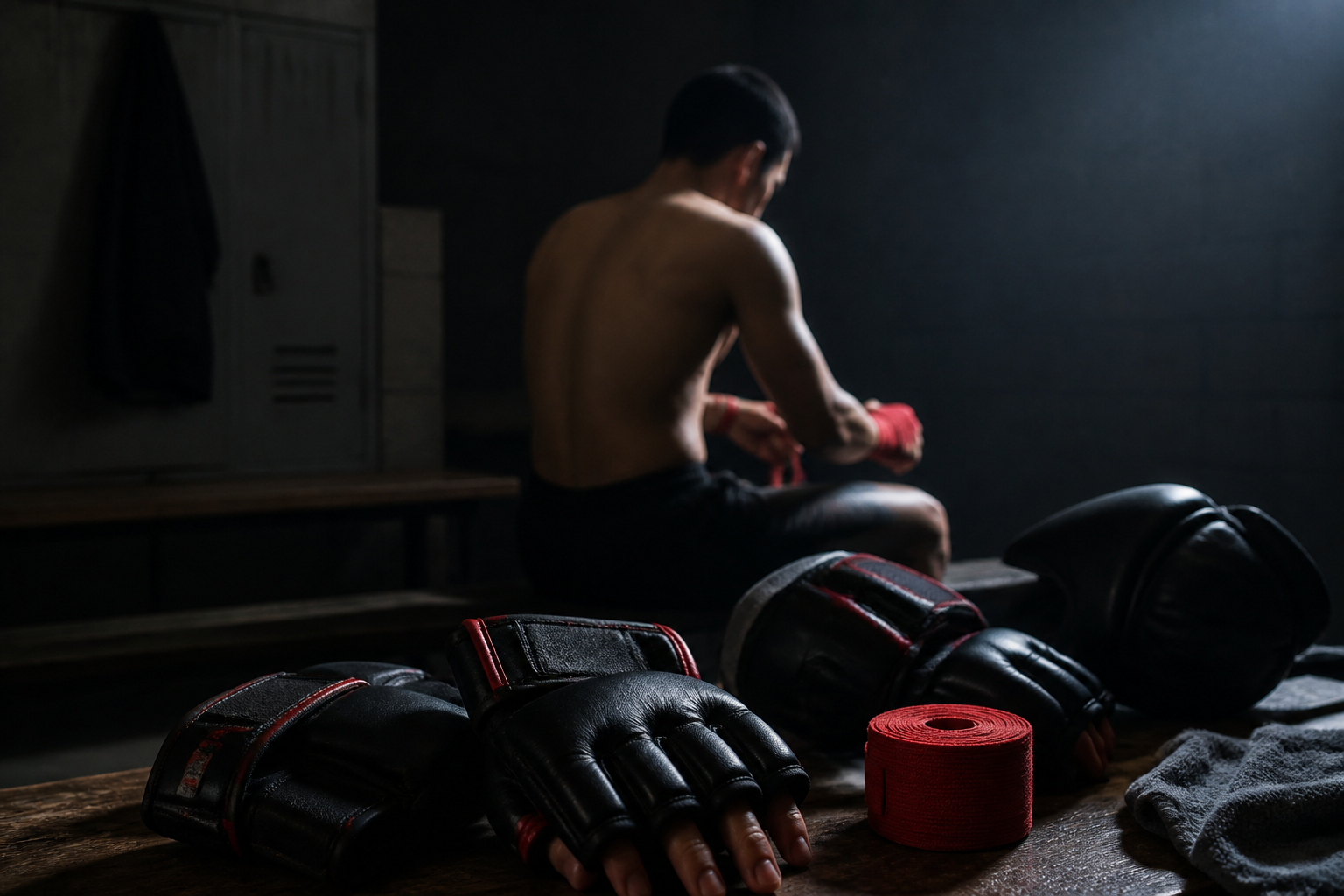
Amateur rules are more restrictive because amateur competition is meant to develop fighters, not rush them into professional risk. The restrictions create a bridge between gym training and higher-level competition.
That bridge matters in Cebu. A strong local scene needs athletes who can compete repeatedly, learn from each bout, and move through the ranks with real experience. Rules are part of that progression.
Restrictions designed to reduce avoidable harm
Common amateur restrictions focus on techniques that can create high consequences before a fighter has enough competitive experience to manage them. Depending on the ruleset, this may include limits on elbow strikes, certain leg locks, knees to the head, specific slams, or attacks against grounded opponents.
These restrictions do not remove danger from MMA. They reduce avoidable harm while preserving the core test: can the fighter strike, wrestle, grapple, defend, adapt, and obey the referee under pressure?
The referee’s authority to stop a bout
The referee can stop an amateur bout when a fighter cannot intelligently defend, taps to a submission, violates the rules, ignores commands, or is otherwise unable to continue under the rules. This authority is especially important in amateur MMA because athlete development depends on firm officiating.
A good stoppage is not an insult to toughness. It is part of the sport. Fighters prove themselves by competing within the rules, protecting themselves intelligently, and returning better prepared.
Safe progression from training to competition
Training prepares athletes, but the ring reveals details that sparring cannot fully reproduce. Crowd noise, bright lights, official commands, a live opponent, and a ticking clock create pressure. Amateur rules help fighters meet that pressure in stages.
For coaches, the job is to move athletes forward only when their skills, composure, and rule knowledge are ready. For families, understanding amateur MMA rules makes the bout easier to watch. For fans, it turns confusion into appreciation.
What Cebu Fighters Should Confirm Before Competing

Before accepting a bout, Cebu fighters should confirm the rules with the same seriousness they bring to training camp. The wrong assumption can cost points, create a foul, or put a fighter in a division they were not prepared for.
Use IMMAF rules as a strong starting point, but keep repeating the key principle: the applicable promoter, sanctioning body, and local regulator may use a different or updated ruleset.
The event’s current official ruleset
Ask for the event’s current official ruleset in writing. Confirm round length, legal techniques, fouls, scoring criteria, equipment, weigh-in procedures, athlete eligibility, corner limits, and tournament rules if relevant.
If something is unclear, ask before fight week. A serious athlete should know the rules before game plan details are finalized. Coaches should review the rules with the fighter and drill likely problem positions.
What to ask the promoter about requirements and documentation
Ask the promoter what documents are required for the specific event, when they are due, and who must receive them. Confirm identification, registration, athlete record information, bout agreement details, equipment requirements, weigh-in timing, and corner credentials.
Keep the questions practical and direct. Do not assume that requirements from one amateur MMA Cebu card apply to another. Promoters and sanctioning bodies may update procedures between events.
Coach, corner, and event-day responsibilities
Coaches and corners are responsible for more than motivation. They must understand the rules, manage equipment, keep the fighter calm, communicate clearly between rounds, and avoid behavior that could penalize the athlete.
On event day, the corner should know where to report, when the fighter is called, what gear is required, and how officials will inspect equipment. A disciplined corner helps the fighter focus on the bout, not logistics.
Follow Konvoy and Take the Next Step

If you are following the rise of amateur MMA Cebu, stay close to Konvoy for upcoming fight-card announcements and ticket information for the next Konvoy card. Fighters and community members can also join the Konvoy Circuit.
Continue with our guides to how MMA fights are scored, the MMA fighter mindset, and why Konvoy is helping build Cebu’s fighting ground.