October 27, 2026
Why Wrestling and Grappling Matter So Much in Modern MMA
Takedowns, control, scrambles and submissions: why grappling skills decide so many MMA fights, explained for Cebu fans and new fighters.
In MMA, the loudest strikes often get the first reaction from the crowd, but the quieter battles can decide the fight. A fighter who wins the clinch, finishes the takedown, rides top position, forces scrambles, and threatens submissions can turn a close round into a clear one.
That is why wrestling in MMA matters so much for Cebu fans, new fighters, and anyone trying to understand what is happening beyond the big punch. Modern MMA is not just striking with smaller gloves. It is a full-contact argument over space, balance, timing, and control, and grappling is often where that argument gets settled.
Why Grappling Shapes Modern MMA
Grappling in MMA connects every phase of the fight. A striker who cannot stay upright has to throw with caution. A grappler who can force clinches makes every exchange feel dangerous, even before a takedown happens.
Wrestling, Brazilian jiu-jitsu, judo, and no-gi submission grappling all show up in different ways. Wrestling is often the engine for takedowns in MMA, while BJJ for MMA gives fighters options once the fight hits the mat. Together, they create the MMA ground game that separates complete fighters from specialists.
Takedowns Change The Whole Fight
A takedown is not just a way to put someone on the floor. It changes posture, breathing, confidence, and scoring momentum. When a fighter knows the shot is coming, even their striking stance can start to narrow, their hands can drop, and their offense can slow down.
That is why strong wrestling in MMA can make a puncher look hesitant. The threat of a double-leg, body lock, trip, or mat return forces the opponent to defend two sports at once. A fighter who can blend punches into takedowns owns more routes to victory than someone waiting for one clean shot.
For Cebu fighters coming through a local grappling gym, this is one of the first serious lessons. A clean takedown is not random strength. It is timing, foot position, grip fighting, head placement, and the ability to keep driving when the first attempt gets blocked.
Takedown Defense Creates Offensive Opportunities
Takedown defense is not just survival. It can make a wrestler pay for missed entries. When a fighter sprawls hard, circles out, frames on the head, and returns to stance, they turn the opponent’s best weapon into wasted energy.
Under current MMA judging guidance, defense by itself is not scored. Its value comes from what the fighter creates next: a clean counter, an advantageous position, a reversal, or another effective offensive action.
Good takedown defense also lets strikers open up. If a fighter trusts their hips, underhooks, and balance, they can throw combinations without constantly fearing the level change. That confidence matters over three rounds because it keeps the striker active instead of frozen.
At the same time, defending takedowns takes discipline. Reaching for the head, giving up the back, or standing tall in the clinch can create problems fast. The best defensive grapplers do not just stop the first shot; they win the position after the shot.
Control Is More Than Holding Someone Down
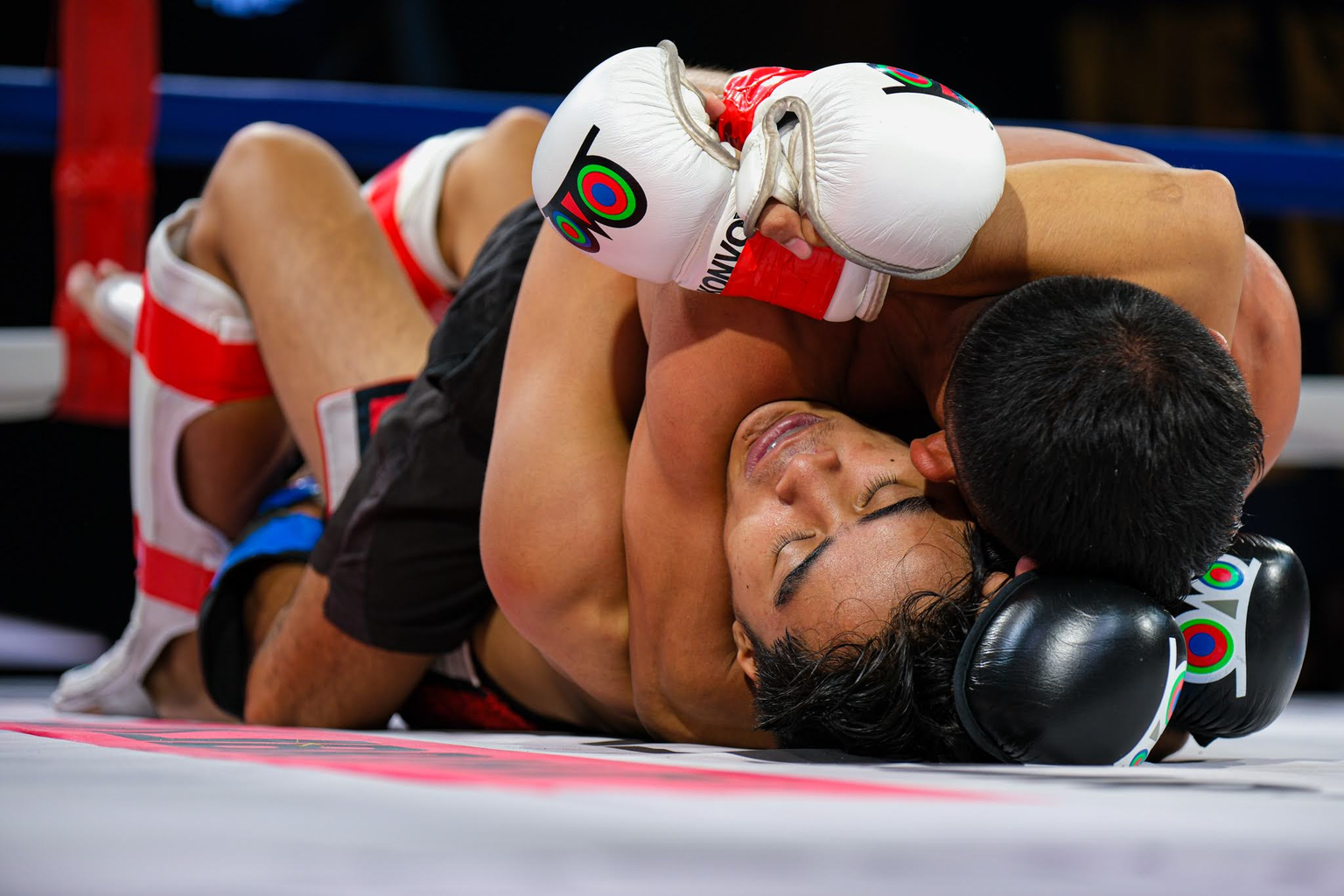
To casual viewers, top control can sometimes look simple. One fighter is on top, the other is stuck underneath, and the clock keeps moving. But inside the ring, control is a technical fight with dozens of small decisions happening every few seconds.
Modern judging rewards successful offensive work, not empty pressure. The current Association of Boxing Commissions scoring clarification explains that successful striking and grappling determine the vast majority of rounds. Aggressiveness and fighting-area control are considered only when the primary offensive criteria are otherwise even. That matters because grappling should produce meaningful offense, an advantageous position, a reversal, damage from a takedown, or a credible submission threat rather than simply hold position.
Top Position Has Layers
Top control starts with stopping the opponent’s hips. If the bottom fighter can turn, build a base, or recover guard freely, the top fighter is not really controlling the exchange. Heavy hips, crossfaces, wrist control, and pressure passing are the details that turn a takedown into a winning sequence.
From top, fighters can strike, pass, isolate limbs, or force the opponent to expose their back. Even short punches can matter when they make the bottom fighter react and open new positions. The best grapplers do not rush; they make the opponent carry weight and solve problems under pressure.
This is where BJJ for MMA differs from pure sport jiu-jitsu. In MMA, the bottom fighter has to worry about strikes, not just guard retention or submissions. The top fighter has to balance damage, control, and submission awareness without giving up a reversal.
Bottom Position Is A Fight For Space
The bottom fighter is not helpless if they understand frames, hip movement, and timing. A strong guard can slow damage, create sweeps, threaten submissions, or build a path back to the feet. But staying flat is usually a losing battle.
Good bottom work is active. Fighters look for inside position, underhooks, butterfly hooks, rope-line escapes and technical stand-ups adapted to a roped ring, and moments when the top fighter posts a hand. Each small movement can create enough space to escape or scramble.
For new athletes, this is one of the hardest parts of the MMA ground game to learn. It is not enough to know submissions in a quiet room. You have to execute while tired, sweaty, crowded by pressure, and aware that strikes can change the position instantly.
Scrambles Are Where Fights Flip
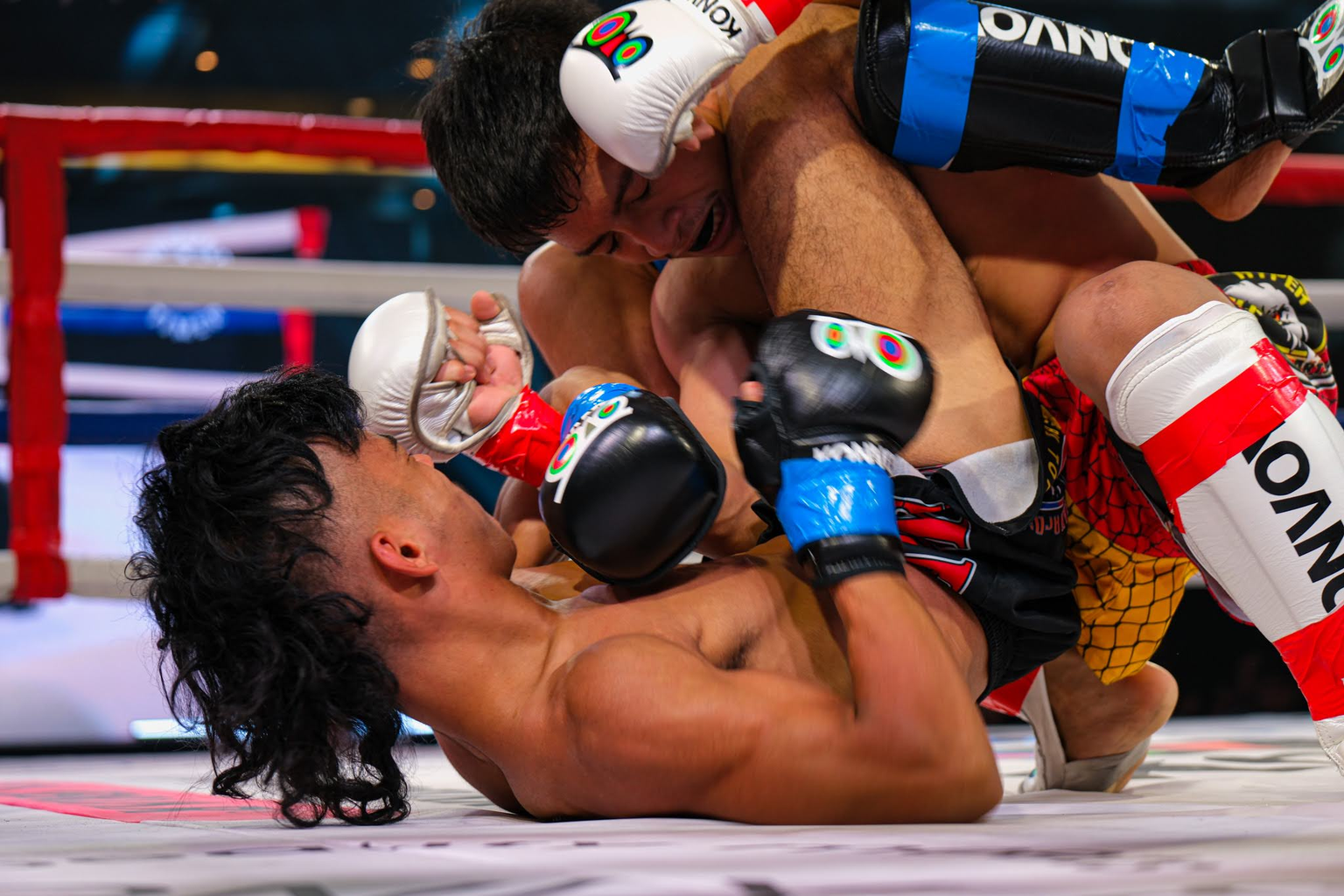
A scramble is the chaos between positions. It happens after a stuffed shot, a loose pass, a missed submission, a half-finished sweep, or a fighter popping back up from the mat. For fans, scrambles feel wild; for trained fighters, they are moments of pattern recognition at high speed.
The KONVOY 03 main event is a useful local example. Rhyle Lugo, identified in the official recap as the grappler in the matchup, defeated Glian John Manlunas by first-round TKO. The recap states that Lugo took control late in the opening round and the finish followed quickly, showing how grappling pressure and positional control can create a finishing opportunity.
Winning The Transition
In a scramble, the fighter who connects their hands, hips, and head position first often gains an advantage. That may mean coming up on a single-leg, taking the back, clearing a hook, or landing on top after a roll. The difference is often less than one second.
Scrambling also rewards fighters who stay calm when the position is not clean. Beginners often stop when a takedown fails, but experienced grapplers chain the next attack. A single-leg becomes a body lock, a body lock becomes a trip, and a failed trip becomes a mat return.
This is why wrestling in MMA is not only about the first shot. It is about second and third efforts. The fighter who keeps wrestling after the initial collision often turns neutral moments into scoring moments.
Cardio And Composure Matter
Scrambles are expensive. They burn the legs, lungs, grip, and lower back. A fighter can look sharp in the first minute and then lose every transition once fatigue starts to build.
That is where preparation separates trained grapplers from athletes who only know a few moves. Strong grapplers drill positions until they can make decisions under stress. They also learn when to explode and when to settle, because constant urgency can become its own trap.
For Cebu fighters, this is one reason local gym rounds matter so much. Hard sparring is not only about toughness. It teaches athletes how to think clearly when the exchange is messy and the crowd is reacting to every shift.
Submissions Add Consequences To Every Position
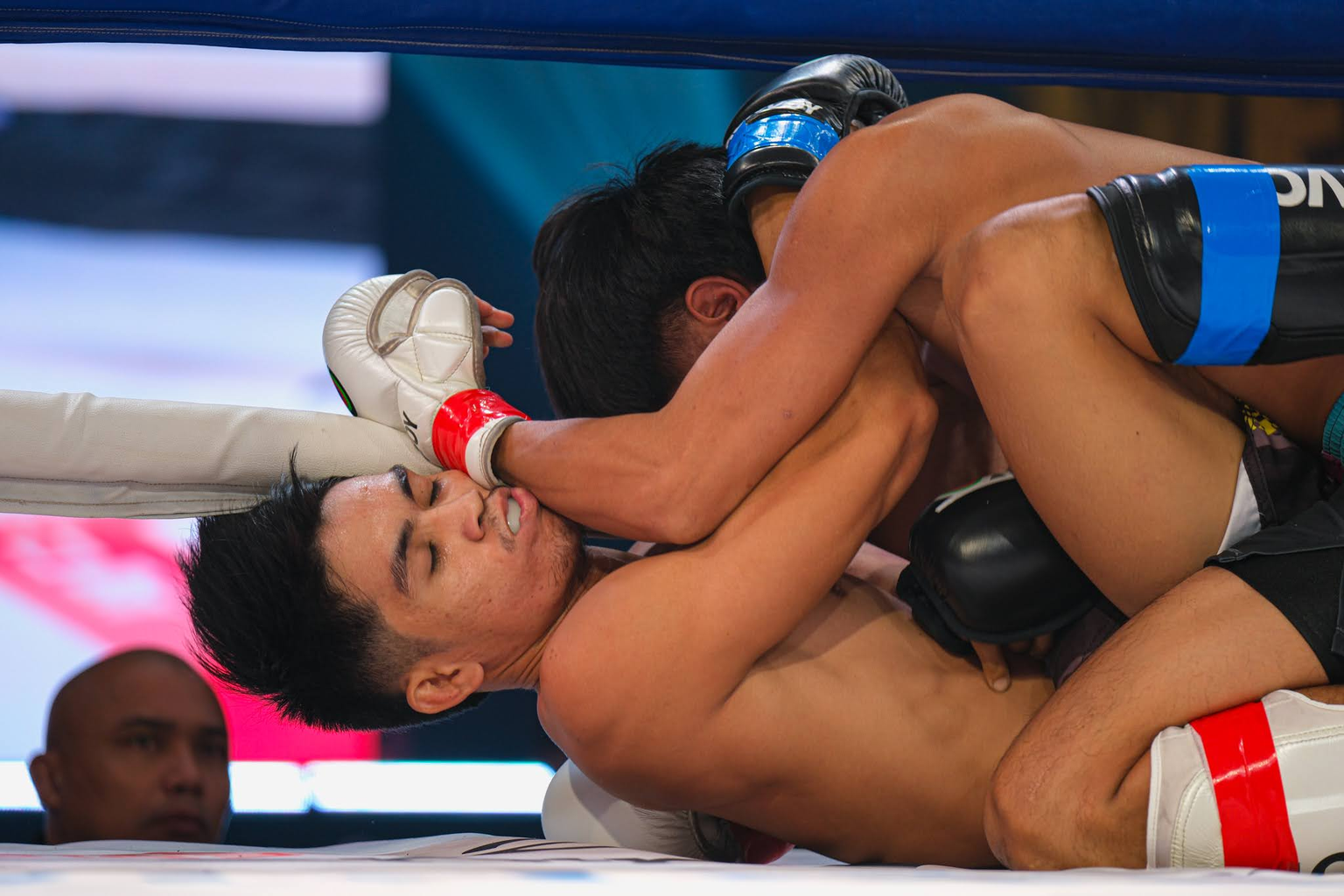
Submissions change the emotional temperature of a fight. A fighter can be winning a round, make one mistake with posture or hand placement, and suddenly defend a choke or arm lock. That threat forces respect in every grappling exchange.
The roots of grappling sports are deep, from wrestling traditions described by Encyclopaedia Britannica’s overview of wrestling to jujitsu systems that shaped modern submission fighting, including the history summarized in Britannica’s jujitsu reference. MMA compresses those histories into a faster, harsher environment where position and damage change the equation.
Submissions Force Defensive Choices
A submission threat can make a fighter give up position even if the finish does not land. Defending a guillotine may expose a pass. Escaping an armbar may give up top control. Protecting the neck may open space for strikes.
That is why submission grappling is valuable even when the final result is a TKO or decision. The attacks create reactions, and reactions create opportunities. A fighter with dangerous submissions can steer the opponent into bad choices.
Still, submissions in MMA must be chosen carefully. Chasing a low-percentage attack can cost top position or allow a clean escape. The best finishers understand when the submission is there and when control is the smarter weapon.
BJJ For MMA Is Its Own Skill
BJJ for MMA is not identical to gi jiu-jitsu, no-gi tournament grappling, or pure submission wrestling. The presence of strikes changes posture, guard selection, and risk. A position that is safe in one ruleset can become dangerous when punches are allowed.
For example, closed guard can control posture, but it can also stall if the bottom fighter does not attack or create angles. Half guard can be a sweeping position, but it can also trap the bottom fighter under shoulder pressure and punches. Back control remains one of the strongest positions because it limits the opponent’s offense while opening chokes and strikes.
This is why serious MMA athletes should train grappling with MMA context. They need rounds where wall-style standups, rope awareness, ground strikes, wrist rides, and submission chains all connect. The goal is not to collect techniques; the goal is to make the techniques work in a fight.
How Grappling Factors Into Judging
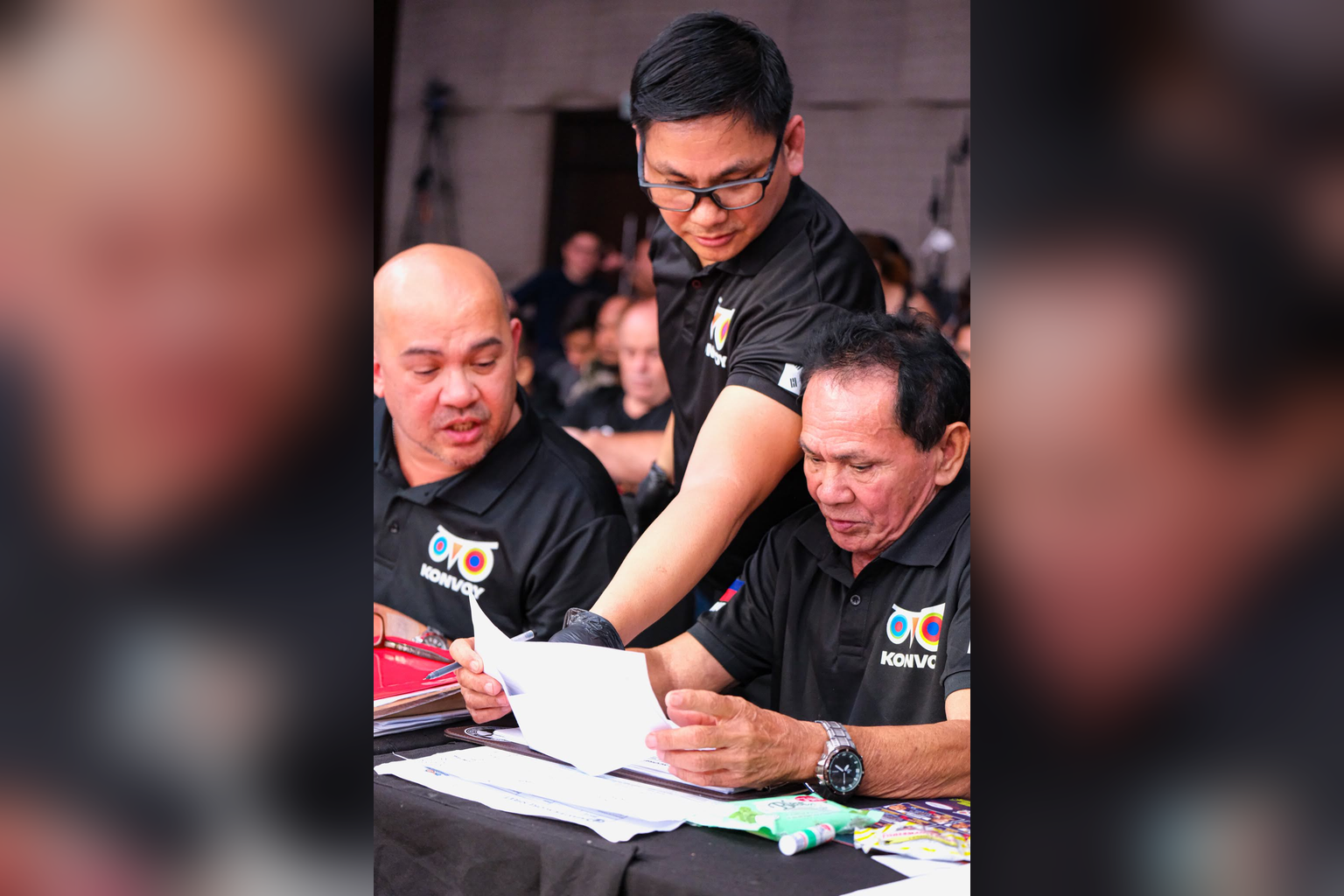
Fans sometimes disagree over grappling-heavy rounds because they are watching different things. One person sees control. Another sees a lack of damage. A third sees near-submissions or positional advances that matter more than volume.
Judging is built around effectiveness. Under the unified criteria, grappling scores strongest when it creates successful takedowns, dominant positions, submission attempts, reversals, or meaningful impact. Ring control and aggression matter more when effective striking and effective grappling are otherwise even.
Not All Control Scores The Same
A fighter who lands a takedown and does nothing with it may not bank the round as clearly as fans assume. If the opponent is attacking submissions, getting back up, or landing better strikes before and after the takedown, the round can stay close. Control needs purpose.
Purposeful control looks different. It includes advancing position, landing ground strikes, threatening submissions, forcing defensive reactions, or stopping escapes. Judges are more likely to reward grappling that changes the fight than grappling that simply pauses it.
That distinction is important for athletes and coaches. Training should not stop at finishing the takedown. The next layer is turning the takedown into visible, effective work that judges, opponents, and fans can all read.
Scrambles Can Decide Close Rounds
In close fights, one scramble can become the memory of the round. A reversal, a back take, a near choke, or a hard return to the mat can shift momentum in a way judges notice. These moments are especially powerful when striking exchanges are even.
That is why fighters cannot relax after defending the first attack. A stuffed takedown is only a win if the defender finishes the sequence. If the attacker keeps chaining and ends on top, the exchange still belongs to the grappler.
For fans watching Konvoy events, this makes the ground exchanges more exciting to read. Look for who controls the hips, who wins the underhooks, who gets up first, and who turns chaos into position. Those details often explain the scorecards before they are announced.
What New Fighters Should Train First
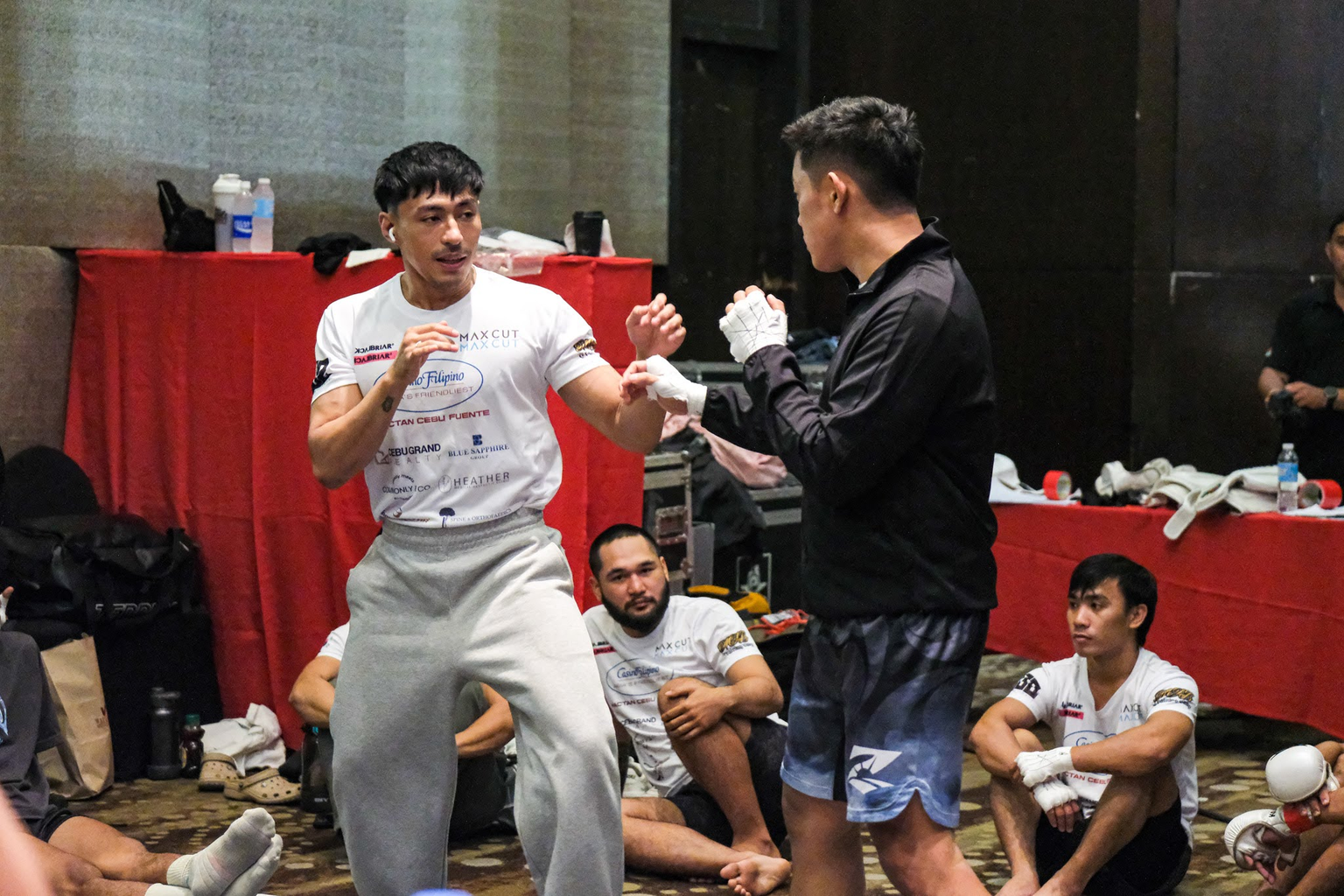
For beginners, grappling can feel huge because it is huge. There are takedowns, defenses, submissions, escapes, rides, reversals, clinches, and scrambles. The smart approach is to build a base before chasing advanced moves.
A good grappling gym in Cebu should help athletes understand positions, not just memorize techniques. The goal is to create athletes who can stay safe, compete hard, and keep improving across striking and grappling phases.
Konvoy does not run regular MMA classes, but its partner gyms directory identifies independent Cebu gyms connected to the local fight community. Konvoy’s MMA gym guide for Cebu fighters also explains how gym training can connect with live competition. Programs and schedules can change, so contact each gym directly before visiting.
Build The Base
Start with stance, footwork, hand fighting, sprawls, technical standups, basic guard retention, and simple escapes. These tools show up everywhere. Without them, advanced submissions and flashy takedowns usually fall apart under pressure.
Then add reliable takedowns that fit the athlete’s body and striking style. Not every fighter needs the same entries. A long striker may prefer reactive shots and trips, while a pressure fighter may build around body locks and chain wrestling.
Finally, train rounds that connect phases. Hit pads into shots. Defend takedowns into counters. Grapple with light strikes. The more connected the training, the more natural it becomes under the lights. Fighters preparing to compete should also review the applicable rules, starting with Konvoy’s guide to amateur MMA rules for Cebu fighters, and then confirm the rules for their specific event.
Learn To Watch Grappling
Fans can also train their eyes. Instead of only watching the fighter on top, watch the hips, grips, head position, and feet. Those details tell you who is really winning the position.
When a fighter stands up, ask how they did it. Did they build a base, win an underhook, use the ropes, or explode during a loose transition? When a fighter gets taken down repeatedly, ask whether the issue is footwork, stance, timing, or fatigue.
Once you see those layers, wrestling in MMA becomes easier to appreciate. The sport opens up. You stop waiting only for the finish and start seeing the fight being built exchange by exchange.
Follow Konvoy For The Next Fight Night

Follow the official Konvoy blog for fight-card and event announcements, and check the latest event information before making plans. If you are an athlete ready to compete or a brand looking to partner with a regional MMA platform, contact Konvoy through its official channels with accurate details about your goals.