October 9, 2026
Why Cebu’s Combat Sports Scene Is Bigger Than MMA Alone
Cebu fight cards can feature MMA, Muay Thai and kickboxing. Learn what sets each sport apart and why mixed events matter locally.
A Cebu fight night can feel like one long argument about range. One bout is all angles, takedowns and scrambles. The next is a rhythm battle of kicks, knees and clinch work. Then the card shifts again, and the ring becomes a contest of stance, timing and punch-kick combinations.
That is why Cebu’s combat-sports scene is bigger than one label. MMA, Muay Thai and kickboxing can appear on the same local event card, but they are not interchangeable. Each sport brings its own rules, instincts and audience, and a well-run Cebu fight event helps fans understand the difference.
Combat Sports Cebu: More Than One Discipline
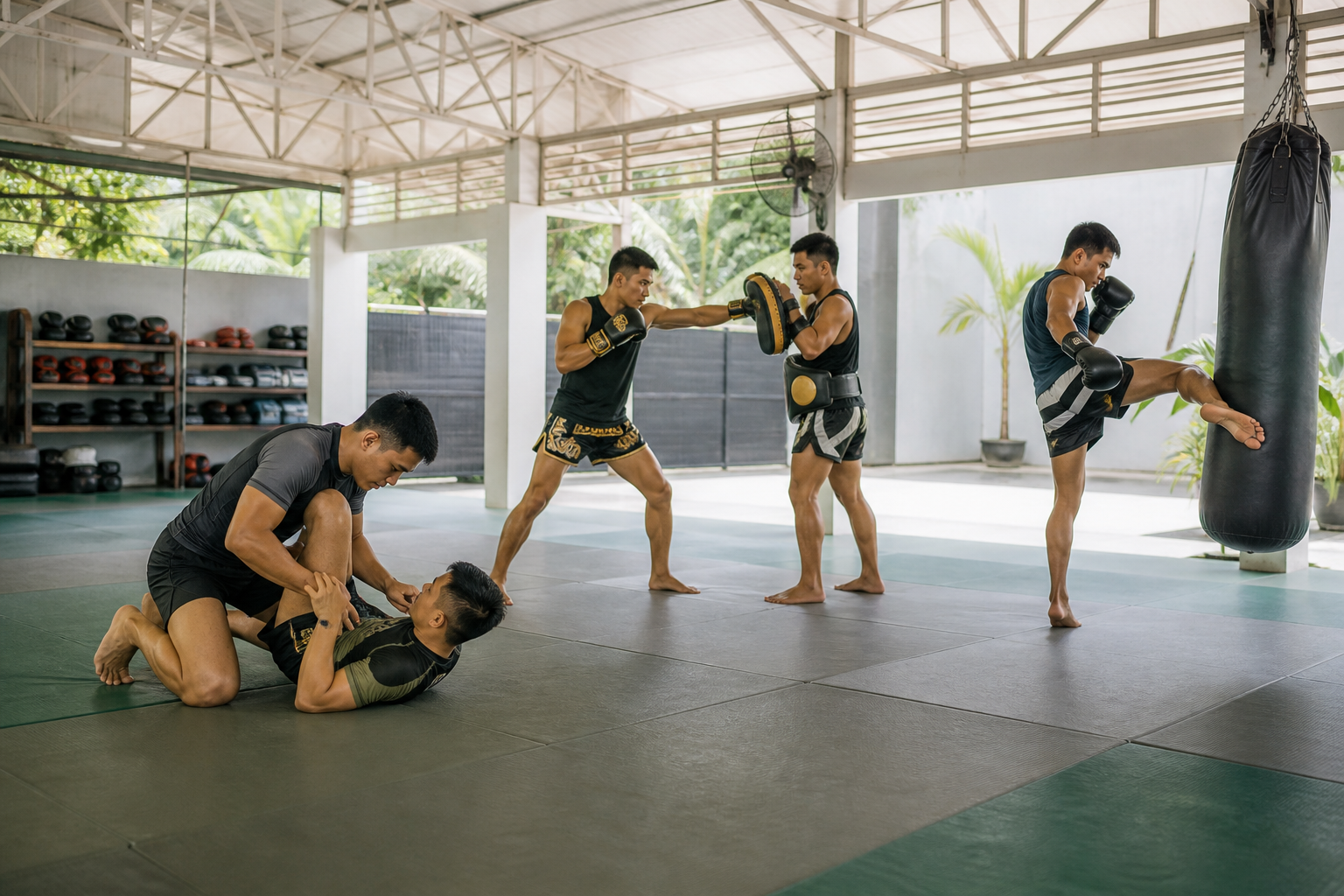
For many casual fans, “fight night” gets flattened into one idea: two athletes, one ring, one winner. In reality, Cebu’s martial-arts scene has several lanes, and each lane rewards different decisions under pressure.
A mixed card can put those differences in plain view. It gives fans a wider look at the local scene while giving athletes a platform that respects their chosen discipline.
MMA, Muay Thai and kickboxing at a glance
MMA is the broadest ruleset of the three. Athletes can strike, wrestle, clinch, attempt submissions and work through transitions between standing exchanges and ground positions. Under widely used MMA rules, legal techniques and scoring are built around effective striking, grappling, aggression and control, as outlined by the Association of Boxing Commissions Unified Rules.
Fans of Muay Thai in Cebu are watching a different language. The sport is built around punches, kicks, knees, elbows and clinch fighting, with rhythm and balance playing a major role. Kickboxing bouts in Cebu usually narrow the frame, emphasizing punches and kicks with rules that vary by organization but generally reduce or remove extended clinch exchanges; WAKO’s rules show how kickboxing formats can differ.
What the September 2026 local card illustrates
The September 5, 2026 Cebu Fighting Championship card is a useful example of how a local event can group MMA, Muay Thai and kickboxing under one fight-night banner. It should not be treated as proof that every Cebu promoter is moving in the same direction or as evidence of a quantified citywide trend; it was not a Konvoy event.
What it does show is simpler and more important: local audiences can be introduced to multiple combat sports in one sitting. A fan who came for MMA and Muay Thai might leave with a new respect for kickboxing timing, while a striking fan might start to understand why takedown defense changes everything in MMA.
How the Sports Differ
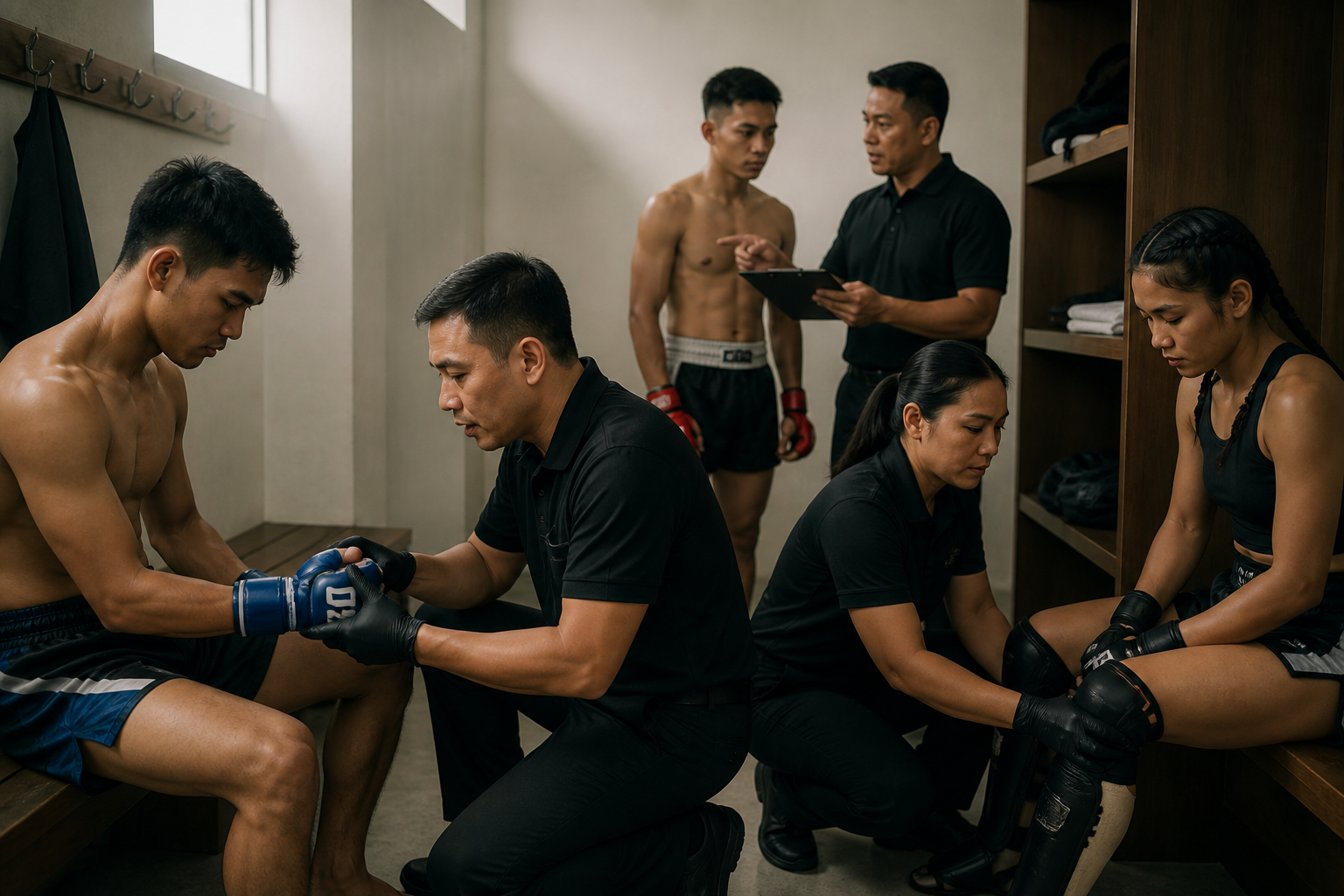
The differences are not cosmetic. They shape footwork, stance, defense, pacing and even the way athletes manage risk from the opening bell.
When these sports share a card, the promoter has to make the rules clear and the audience has to pay attention. The same punch can mean something different depending on what is allowed before and after it.
Rules, targets and protective equipment
In MMA, the threat of takedowns changes striking distance. A tall stance that works in one striking ruleset may invite level changes in another. Gloves are also different from traditional boxing gloves, which affects hand fighting, grappling entries and defensive habits.
Muay Thai allows weapons and exchanges that make the clinch central. Elbows, knees and off-balancing can decide a round even when clean punching is limited. Kickboxing usually keeps the action more strike-for-strike at long and mid-range, with the exact clinch limits depending on the ruleset used by the event.
Why a fighter cannot assume skills transfer unchanged
A strong kicker is still dangerous across disciplines, but the setup has to change. In MMA, a kick can be caught and turned into a takedown. In Muay Thai, the same kick may start a clinch battle. In kickboxing, the return counter may come faster because the athlete does not have to defend wrestling.
This is where cross-training gets interesting. Fighters can borrow timing, toughness and pattern recognition from other sports, but they still need discipline-specific habits. The smartest athletes do not simply copy techniques; they adapt them to the rules in front of them.
Why Mixed Fight Cards Matter
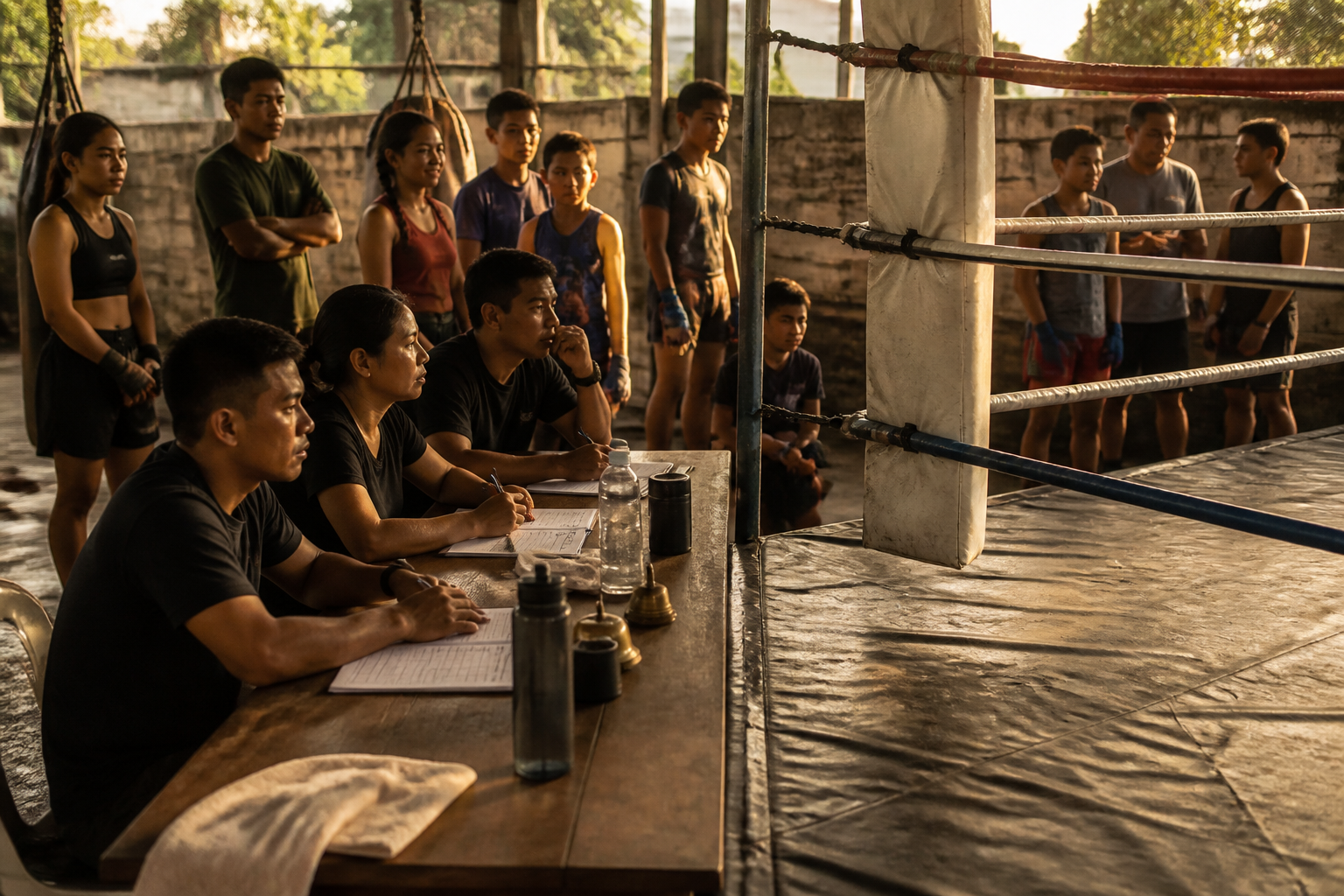
A mixed card can do more than fill a schedule. Done well, it turns one event into a local showcase for different gyms, coaching styles and athlete pathways.
That matters in Cebu because the scene is still being built in public. Every event can teach new fans what they are seeing and give committed fans more reasons to follow the next card.
Audience discovery across disciplines
Fans often arrive through one doorway. Someone may buy a ticket because a teammate is fighting MMA, then stay locked in for a Muay Thai bout that steals the room. Another fan may know kickboxing first and only later begin to appreciate the scramble-heavy chaos of mixed martial arts.
This kind of discovery is valuable because it grows the audience without forcing every sport into the same identity. MMA and Muay Thai can share a bill while keeping their own logic. Kickboxing can stand beside them as a distinct test of timing, pressure and clean execution.
Opportunities for local gyms and athletes
Konvoy’s partner gyms show how Cebu training rooms can support athletes across several disciplines. A Cebu gym may have an MMA prospect, a sharp Muay Thai striker and a kickboxer all developing under the same roof or through partner teams. One event can give each athlete a stage that fits their rule set.
For athletes, that visibility matters. Regional combat sports often grow through reputation, word of mouth and the memory of one performance that made people ask for a name. A well-run card gives fighters a chance to be seen by fans, coaches, sponsors and future opponents.
Finding Reliable Cebu Combat Sports Events
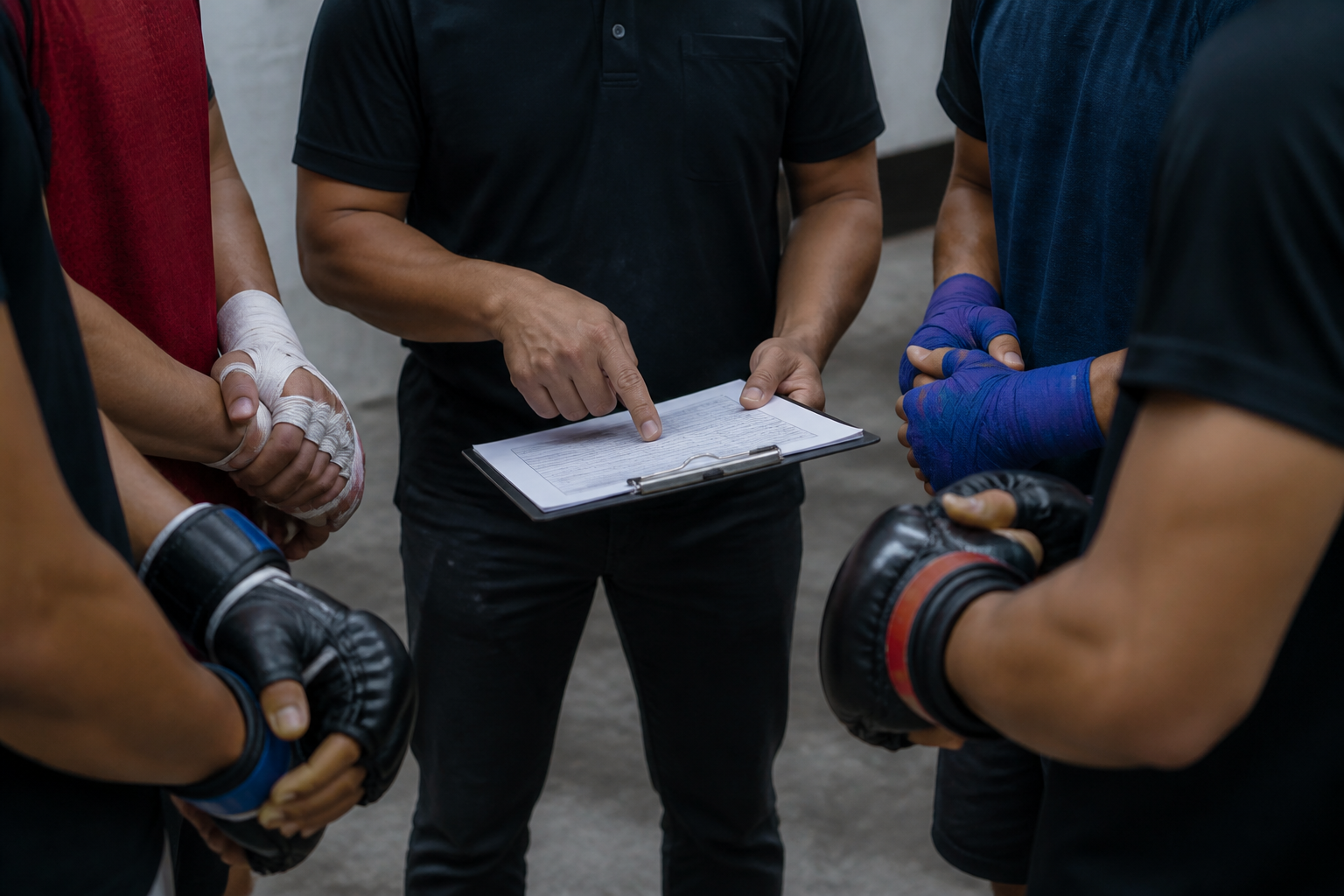
Not every poster tells the full story. Fans looking for Cebu fight events should read beyond the matchup graphic and check the details that make a card credible.
The goal is not to make the experience complicated. It is to know what sport you are watching, who is promoting it and where updates will come from.
Check promoter, venue, card and safety details
Start with the promoter and venue. A reliable event announcement should make the location, date, ticket path and bout lineup easy to verify. It should also identify the sport or ruleset for each bout, especially when MMA, Muay Thai and kickboxing appear together.
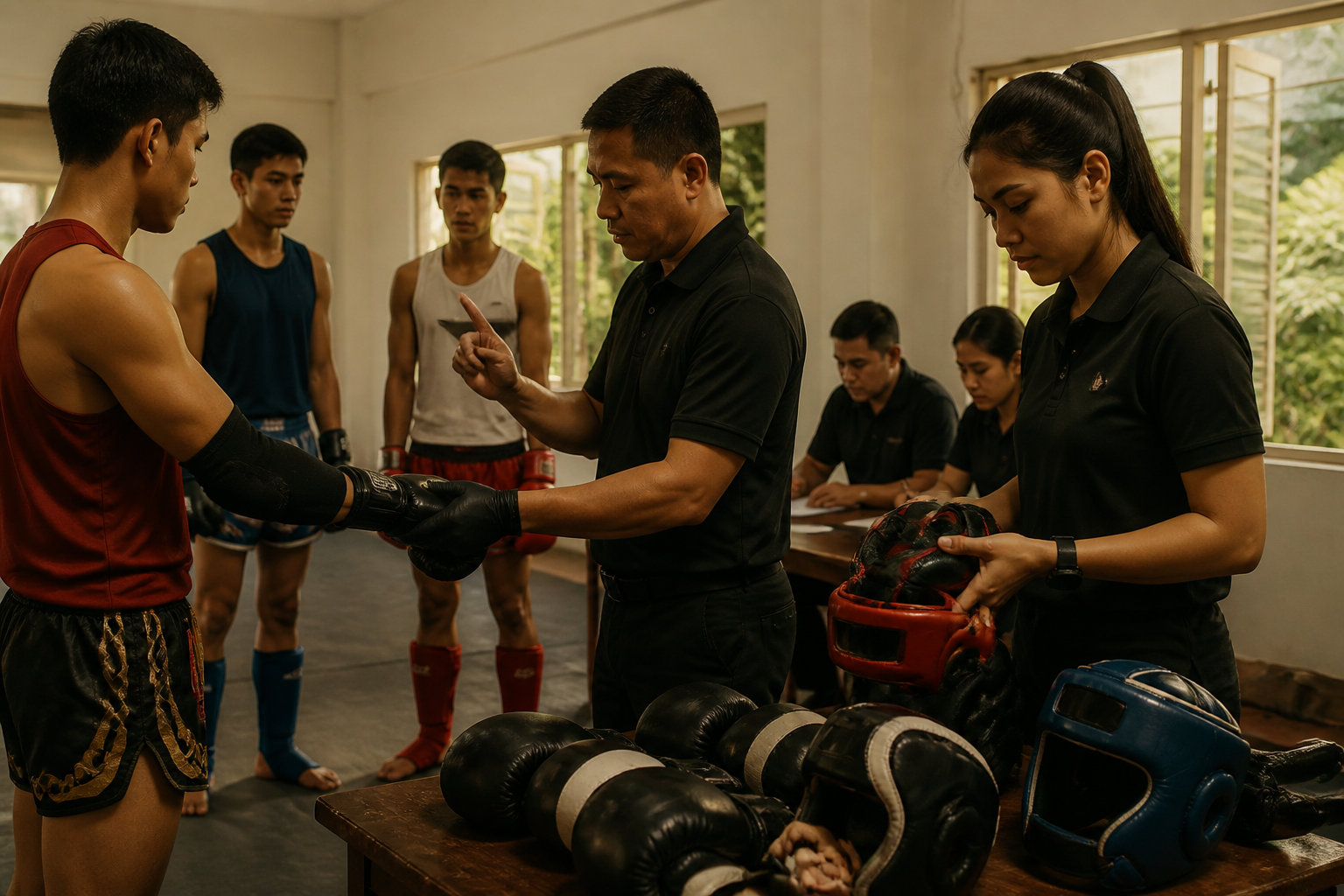
Look for practical event details: round format, athlete names, gym affiliations where available, weigh-in information, officials, protective equipment and any rule notes the promoter chooses to publish. Clear information helps fans understand what they are buying and helps athletes know exactly what stage they are stepping onto.
Follow official result and schedule updates
Fight cards can change. Opponents shift, bout orders move and start times can be adjusted. The cleanest way to stay current is to follow the promoter’s official channels, the venue’s event listings and credible local combat sports coverage.
After the event, official results matter just as much as the poster. They help build accurate records, give athletes proper credit and make it easier for fans to follow the Cebu scene from one card to the next.
How Konvoy Can Cover the Wider Scene
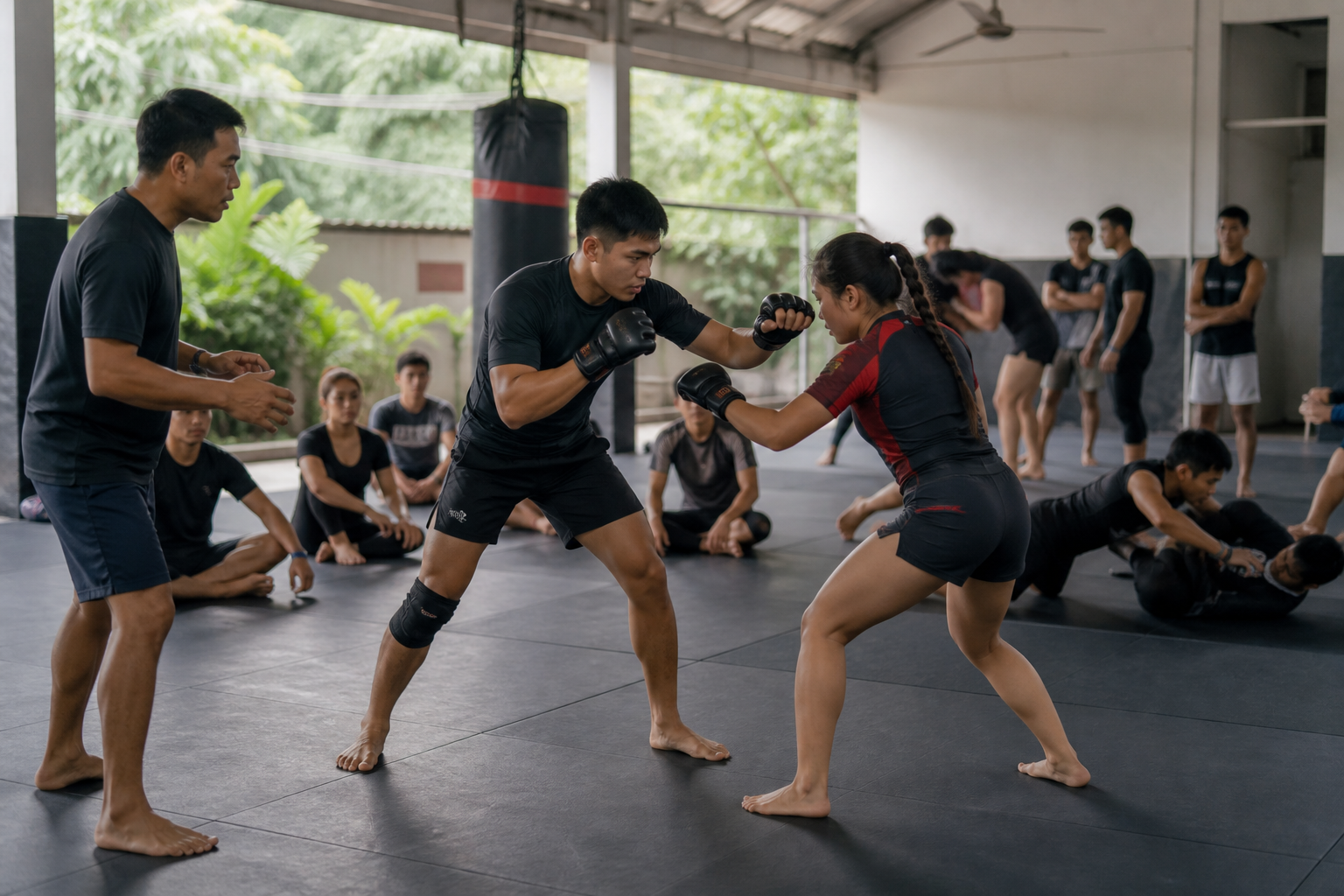
Konvoy sits close to the action because its own story is tied to Cebu’s fight community. That position comes with a responsibility to cover the wider scene with energy, accuracy and respect for each discipline.
Good coverage should make a new fan smarter without talking down to them while giving serious followers enough detail to understand why a matchup matters.
Focus on accurate community reporting
Good reporting starts by naming the sport correctly. An MMA bout is not a Muay Thai bout because both athletes throw kicks. A kickboxing bout is not automatically MMA because it appears on the same event card. Details like rule set, round length and allowed techniques are part of the story.
Konvoy can help by treating local events as more than poster announcements. Fighter backgrounds, gym connections, matchup style, results and post-fight context all help document the Cebu scene as it grows. Its amateur MMA rules guide gives readers a related rules-first reference.
Link readers to relevant Konvoy MMA coverage
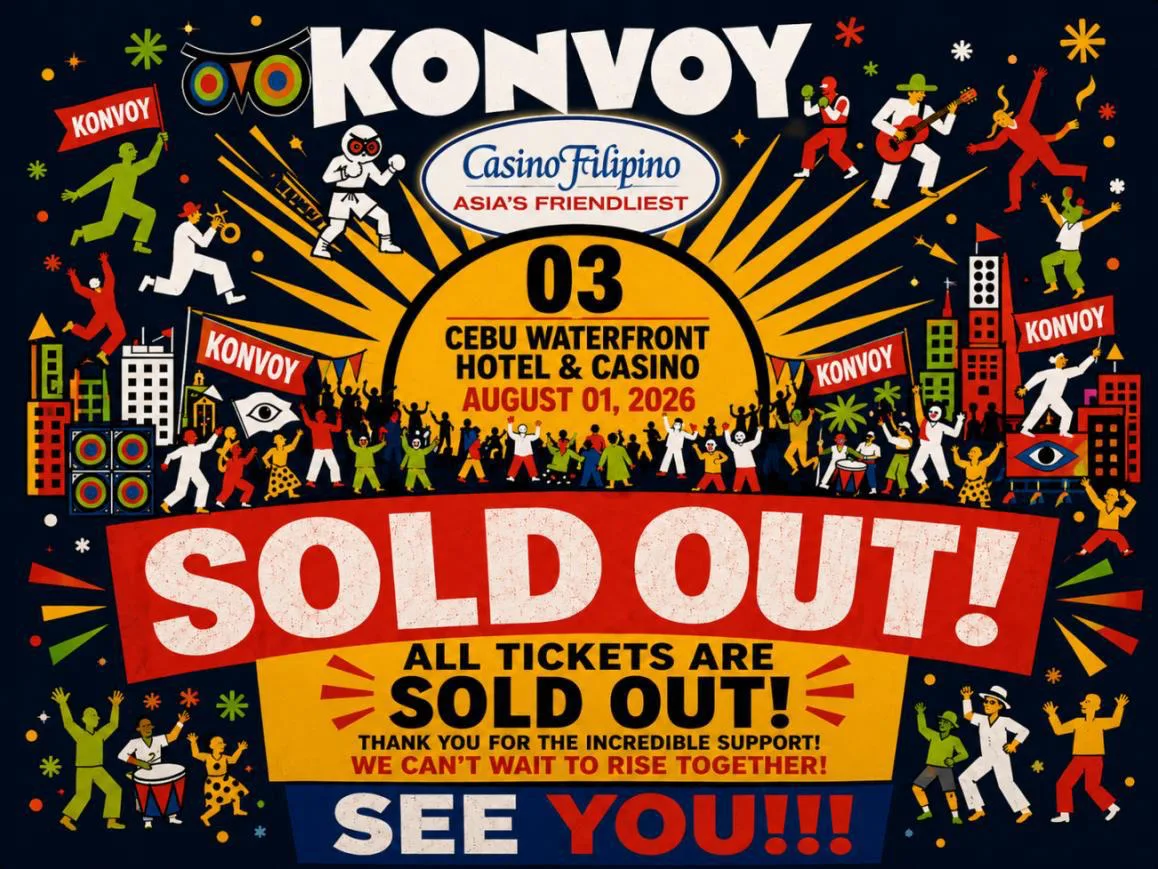
Konvoy’s MMA coverage can serve as a home base for readers who want to keep following athletes, cards and regional storylines. The KONVOY 03 recap shows how event reporting can preserve results and context while related coverage points fans toward Muay Thai, kickboxing and other martial-arts stories.
Cebu does not need every combat sport to become the same thing; it needs accurate coverage that lets each discipline breathe.
Frequently Asked Questions
Can MMA, Muay Thai and kickboxing appear on the same Cebu event card?
Yes. A promoter can present multiple rulesets on one card, as long as each bout is clearly identified and conducted under its own stated rules.
Are MMA and Muay Thai the same?
No. MMA includes striking, wrestling, grappling and submissions. Muay Thai is a striking art built around punches, kicks, knees, elbows and clinch work.
Is kickboxing closer to Muay Thai or MMA?
Kickboxing is closer to Muay Thai because both are striking sports, but they are still distinct. Muay Thai typically places more emphasis on elbows, knees and clinch work, while kickboxing formats vary by rule set.
How should fans follow combat sports Cebu updates?
Follow official promoter announcements, venue pages, fighter and gym channels, and reliable local coverage that confirms schedules and results.
Follow Konvoy for the Next Fight Card

Follow Konvoy for upcoming fight-card announcements and event updates. Fans can check the events gallery for current cards, while athletes, gyms and partners can contact Konvoy about joining the regional fight community.
References
This guide draws on the following authoritative sources: