October 12, 2026
What Makes an MMA Fight Exciting? A Cebu Fan’s Guide to Understanding the Action
New to MMA? Learn what to watch for in striking exchanges, takedowns, submissions and momentum shifts so every fight night makes more sense.
The first minute of an MMA fight can feel chaotic if you are new to the sport. Two athletes circle in the ring, hands twitching, feet sliding, shoulders feinting, and suddenly the crowd reacts before anything obvious has happened. That is where the fight starts to become interesting: not only in the punches that land, but in the choices that force them to land.
This MMA for beginners guide is built for fans in Cebu who want the action to make more sense in real time. If you are learning how to watch MMA, the goal is not to memorize every technique name on your first fight night. It is to know where to look, what questions to ask during each exchange, and how a round can change because of one jab, one underhook, one takedown, or one calm adjustment from the corner.
Why MMA Feels Fast Until You Know What To Watch
MMA is exciting because it keeps changing ranges. A fight can move from long-range kicks to boxing distance, then into the clinch, then to a takedown attempt, then to a submission battle on the mat. Each phase has its own language, but the best fights connect those phases smoothly.
The basic judging framework prioritizes effective striking and grappling; effective aggression and fighting-area control become relevant only when the primary work is too close to separate. The Association of Boxing Commissions judging criteria provide a direct reference for the scoring language, while the UFC’s Unified Rules of Mixed Martial Arts offer a public rules overview.
Do Not Just Watch The Fighter Throwing
Beginners often watch the fighter who is attacking, but the defender may be telling the more important story. Watch how the other fighter reacts to pressure. Are they stepping back in a straight line, circling away, lowering their hands, or planting their feet to fire back?
A clean punch is exciting, but the setup is usually the key. A jab to the chest might make an opponent freeze. A low kick might slow the lead leg. A feint might draw a reaction that opens the real attack ten seconds later.
Look For Control Of Space
In the ring, space is not neutral. A fighter who keeps the center can force the opponent toward the ropes, where footwork becomes harder and exits become predictable. That does not guarantee success, but it creates opportunities.
When you watch live MMA events in Cebu, pay attention to who decides where the fight happens. The athlete moving forward is not always winning, and the athlete backing up is not always losing. The question is whether the movement is planned or forced.
Notice When Speed Becomes Pressure
Fast exchanges get the biggest crowd reactions, but sustained pressure often wins the deeper battle. If one fighter makes the other reset again and again, that pressure can drain focus and energy. The damage may not appear as one dramatic moment.
This is one reason MMA rewards patience. A fighter might spend half a round touching the body, kicking the calf, or forcing a defensive shell. By the final minute, those small investments can turn into a visible momentum shift.
Striking Exchanges: What The Punches And Kicks Are Really Saying
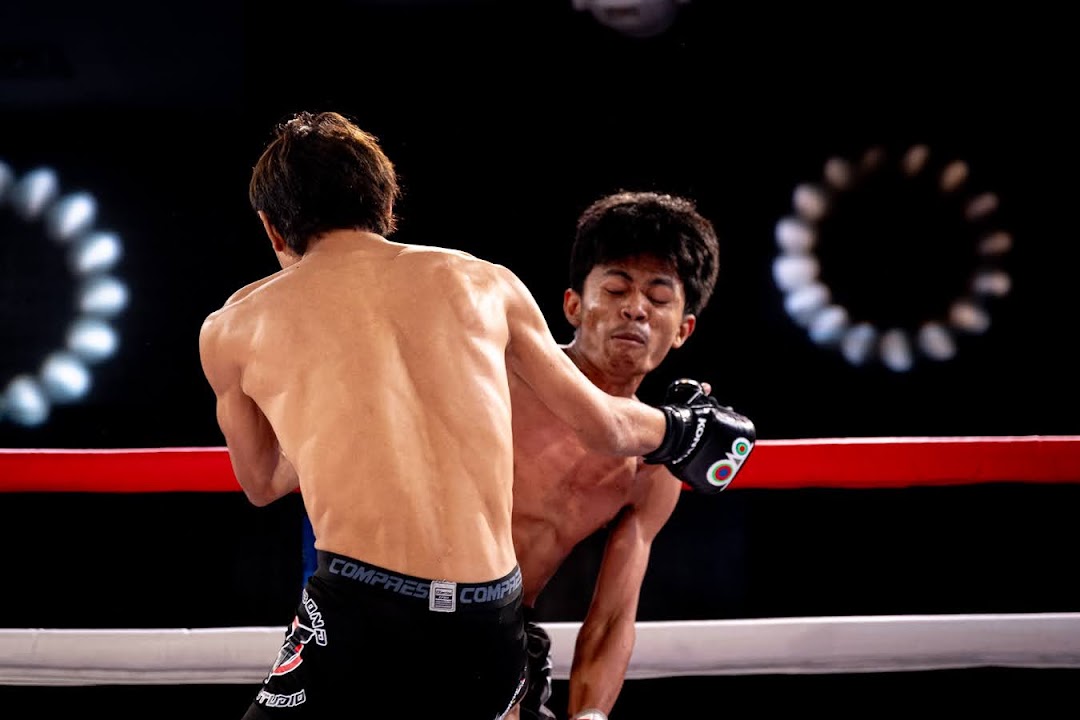
Striking is the easiest part of MMA to notice and one of the hardest parts to read well. Every punch, kick, knee, and elbow carries risk because it can be countered, caught, or used to close distance. A beautiful combination means less if it leaves the striker off balance.
When a broadcast explanation of an MMA technique sounds complicated, bring the action back to three simple questions: who is landing clean, who is making the other miss, and who is ready for the next phase? The most dangerous striker is often the one who can attack without losing position.
The Jab Is A Conversation Starter
The jab may look simple, but it is one of the most important weapons in MMA. It measures distance, interrupts entries, hides bigger shots, and forces the opponent to show defensive habits. If a fighter keeps touching the jab, they may be gathering information.
Watch what happens after the jab. Does the opponent parry with the same hand every time? Do they dip their head to one side? Do they step backward toward the ropes? Those patterns are what corners look for between rounds.
Low Kicks Change The Fight Quietly
Low kicks are not always dramatic at first, but they can change a fighter’s stance and movement. If the lead leg becomes heavy, the fighter may struggle to jab, shoot takedowns, or pivot away from pressure. That is why a round with few big punches can still be strategically meaningful.
Research on acute fatigue in MMA fighters found that fatigue can slow reaction times and make responses less consistent. You do not need a research background to see the effect during a bout: a fighter may stop bouncing, start reaching, and become easier to track.
Counters Make Exchanges Dangerous
A counterstriker wants the opponent to lead first. They may give ground, show openings, and wait for a rushed entry. When the attack comes, the counter arrives in the small window before the attacker can recover position.
For newer fans, this is where patience matters. A fighter who is throwing less may still be in control if the cleaner shots are theirs. Watch the opponent’s face, posture, and feet after each exchange; those details often tell you whose work is landing better.
The Clinch: Where Fights Become A Test Of Balance
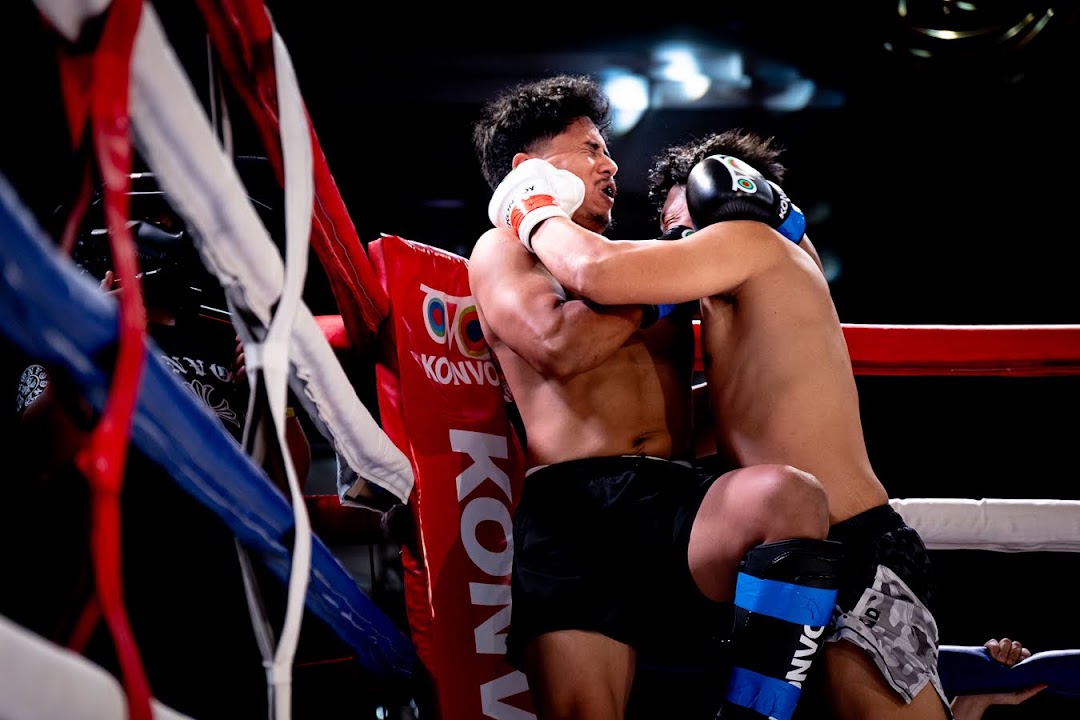
The clinch is where MMA becomes physical in a different way. It is not just two fighters holding each other. It is a battle for head position, grips, underhooks, knees, trips, and space against the ropes.
If you want MMA explained in one sentence, think of it as a contest over options. The fighter with better position has more options. The fighter with worse position spends energy just trying to escape.
Head Position Tells You Who Is Winning
In the clinch, the athlete whose head is under the opponent’s chin or pressed into the correct side of the jaw often has leverage. That pressure can turn the opponent, break posture, and open knees or trips. It is uncomfortable work, and it matters.
When the crowd gets restless during a clinch, look closer. One fighter may be pinning an arm, walking the opponent to the ropes, or setting a level change. The action is smaller, but the consequences can be huge.
Underhooks Are Steering Wheels
An underhook happens when a fighter gets an arm underneath the opponent’s arm and controls the upper body. In simple terms, underhooks help a fighter turn, lift, defend takedowns, or create takedowns. They are not flashy, but coaches value them for a reason.
If one fighter repeatedly wins the underhook, they may start dictating the clinch. That can lead to knees, short punches, trips, or clean breaks. It can also make the opponent hesitate before entering again.
Dirty Boxing Can Swing A Round
Short punches in the clinch do not always look as sharp as long-range boxing, but they score and disrupt. A shoulder bump, collar tie, and short uppercut can break rhythm. A fighter who loses every clinch exchange may start rushing their entries.
Those moments matter in a close round. Judges and fans both notice obvious damage, but control and effective offense inside the clinch can shape the story. When a fighter exits the clinch breathing harder and reacting slower, the exchange did its job.
Takedowns And Ground Work: The Chess Match Under The Noise
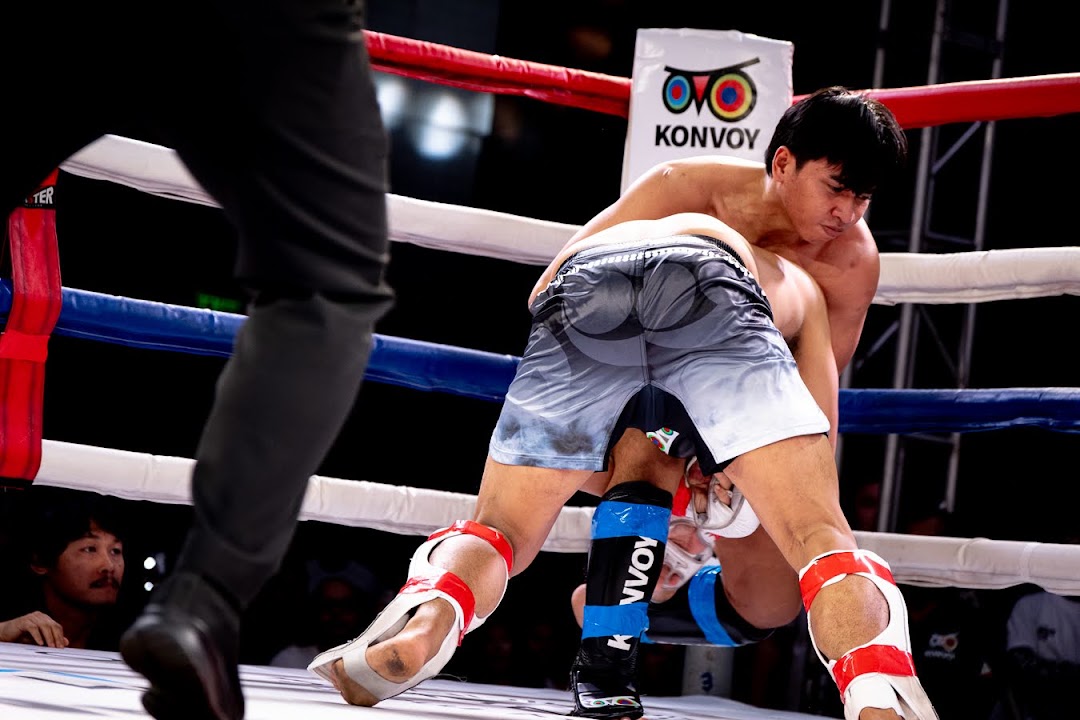
Takedowns are exciting because they can change the entire geography of a fight. A striker who looked comfortable at distance may suddenly be defending from their back. A wrestler who struggled to land punches may find control once the fight hits the mat.
The best way to read takedowns is to watch the setup before the shot. Rarely does a clean takedown come from nowhere. It usually follows strikes, pressure, a clinch exchange, or a reaction the attacker has been building all round.
A Shot Without A Setup Is A Warning Sign
When a fighter dives for the legs from too far away, it can signal fatigue or frustration. A good opponent will sprawl, circle, or attack the neck. A bad takedown attempt can cost more energy than it creates.
But a well-timed takedown is different. If the striker’s feet are planted after throwing, or their hands are high from defending punches, the entry becomes cleaner. That is why striking and grappling are not separate sports inside MMA; they are connected.
Top Control Is Not Just Resting
Top control can look slow to new spectators, but it is often a position of pressure. The fighter on top may be controlling hips, trapping wrists, passing guard, or forcing the bottom fighter to carry weight. That pressure can make every escape attempt expensive.
Still, control must lead somewhere. Fans should watch whether the top fighter is improving position, landing effective strikes, or threatening submissions. If nothing is happening, the referee may look for more action.
Escapes Can Be As Impressive As Attacks
A fighter who stands up from bottom position has done something technically difficult. They may need to frame, turn to a hip, post a hand, protect the neck, and avoid giving up the back. It can happen fast, but the skill is real.
That is why a successful escape can shift momentum. The fighter who was controlled may return to the feet with the crowd behind them. The fighter who worked hard for the takedown may have to start all over again.
Submissions: Why Danger Can Appear In A Second
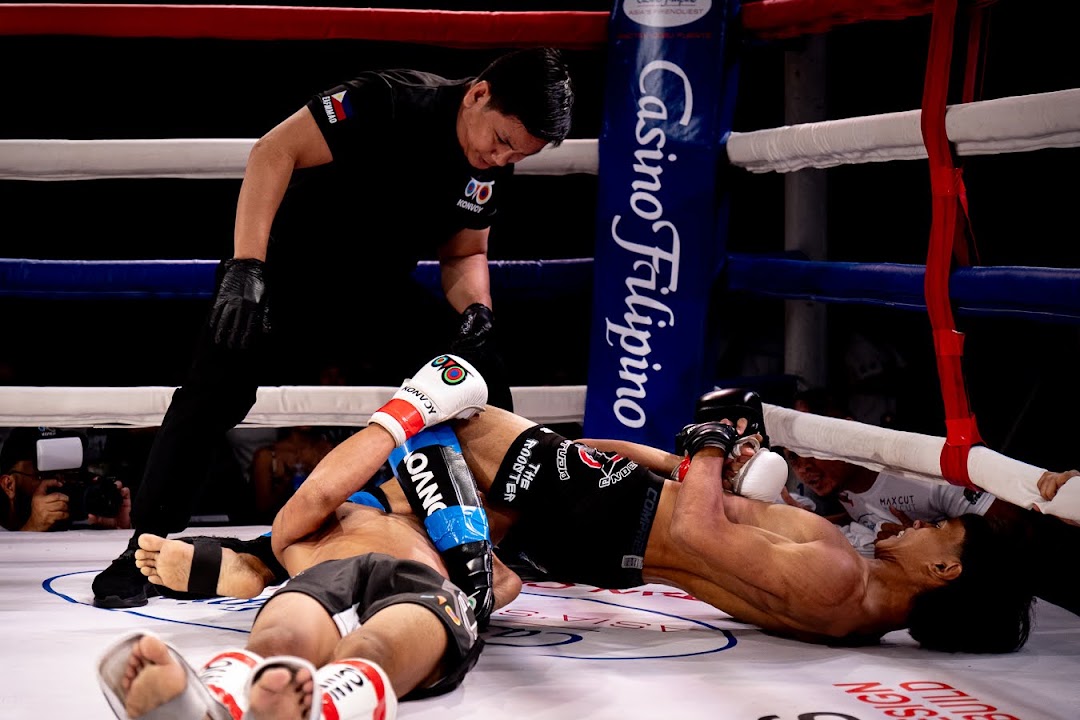
Submissions give MMA its sudden drama. A fighter can be losing a round, find one opening, and force an immediate finish. That possibility keeps every grappling exchange alive.
For MMA submissions explained simply, watch the neck, arms, and hips. Most submission threats involve isolating one of those areas while controlling the opponent’s ability to move. The finish may come quickly, but the trap often starts earlier.
Chokes Attack Position Before The Finish
A choke is rarely just a squeeze. The attacking fighter needs angle, control, and connection. If they are on the back, watch whether they have hooks in, chest contact, and control over the defending hands.
The defender’s first job is usually to protect the neck and remove control points. If their hands are fighting the grip instead of improving position, the danger is rising. When the crowd starts shouting, the athletes may already be several steps into the battle.
Joint Locks Need Isolation
Armbars, kimuras, and leg locks depend on isolating a limb. The attacker wants to separate the arm or leg from the rest of the body, then control posture and movement. If the defender can reconnect their hands, turn their body, or stack the attacker, they may survive.
For newer fans, the key is not knowing every name. It is recognizing when one fighter has trapped a limb and the other fighter’s movement is shrinking. Less movement often means more danger.
Submission Defense Can Win Respect
Escaping a deep submission attempt can change the emotion of the fight. It tells the opponent that the finish will not come easily. It also wakes up the room because everyone understands how close the ending felt.
In Cebu, that kind of moment can turn a quiet crowd into a loud one. Local fans appreciate toughness, but they also respond to intelligence. A clean escape shows both.
Momentum, Corners, And Round-By-Round Adjustments
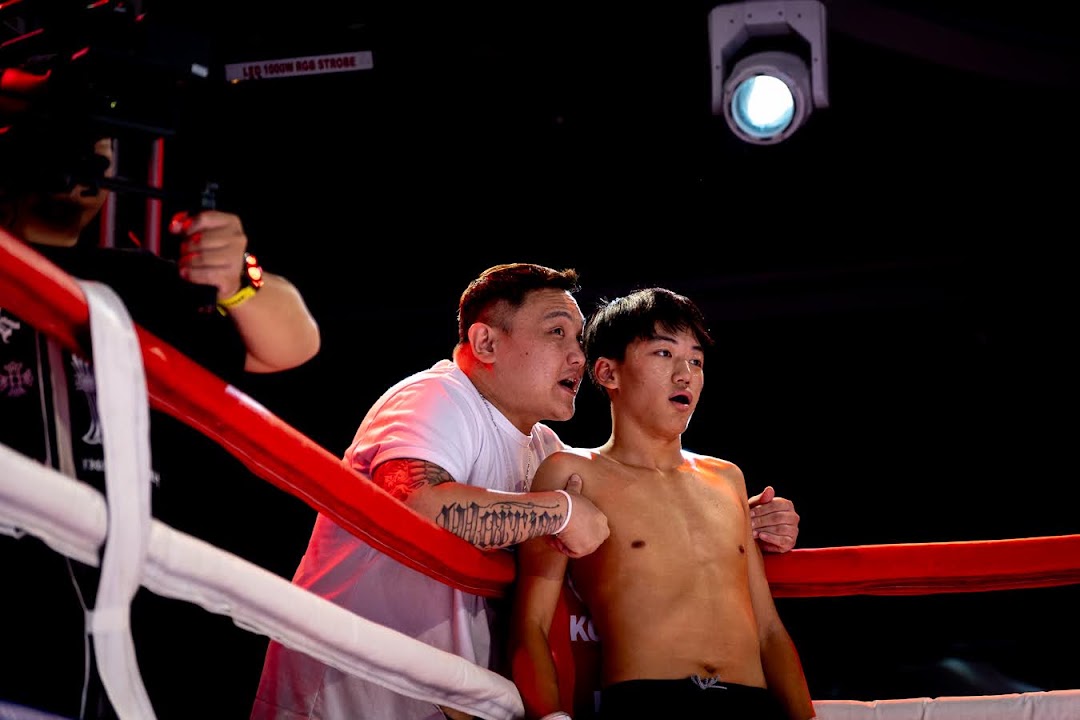
The most exciting fights are not always one-way beatdowns. They are the fights where momentum changes hands. One fighter solves a problem, the other answers back, and each round becomes a new argument.
This local perspective matters. Local fight nights often feature athletes still building their professional identity, which means you can see development happening in real time. A young fighter’s ability to adjust may tell you as much as their highlight moments.
Momentum Is Often Built Before It Explodes
A momentum swing can look sudden, but it usually has a trail. A fighter starts landing the jab. The opponent’s stance changes. The clinch entries become slower. Then the big moment arrives.
When you watch a round, ask what is getting easier for each fighter. If one athlete needs more effort to achieve the same result, the fight may be turning. That is true even before the scorecards reflect it.
Corners Are Problem Solvers
Between rounds, corners have less than a minute to identify the problem and give usable instructions. The best advice is specific. “Circle left after the jab” is more useful than a vague demand to work harder.
Listen for whether the fighter follows the instruction when the next round begins. If the corner calls for more low kicks and the athlete lands two in the first thirty seconds, that is an adjustment. If the fighter returns to the same losing pattern, fatigue or pressure may be overriding the plan.
Close Rounds Reward Attention
Close rounds are where educated fans separate themselves. Do not only count loud moments. Ask who landed the cleaner offense, who controlled the terms of engagement, and who made the other fighter react.
This makes every round more engaging. Even a tactical round with no finish can carry tension when you know what is at stake. The question becomes not “why is nothing happening?” but “who is quietly taking control?”
Bringing This Guide To A Live Fight Night In Cebu
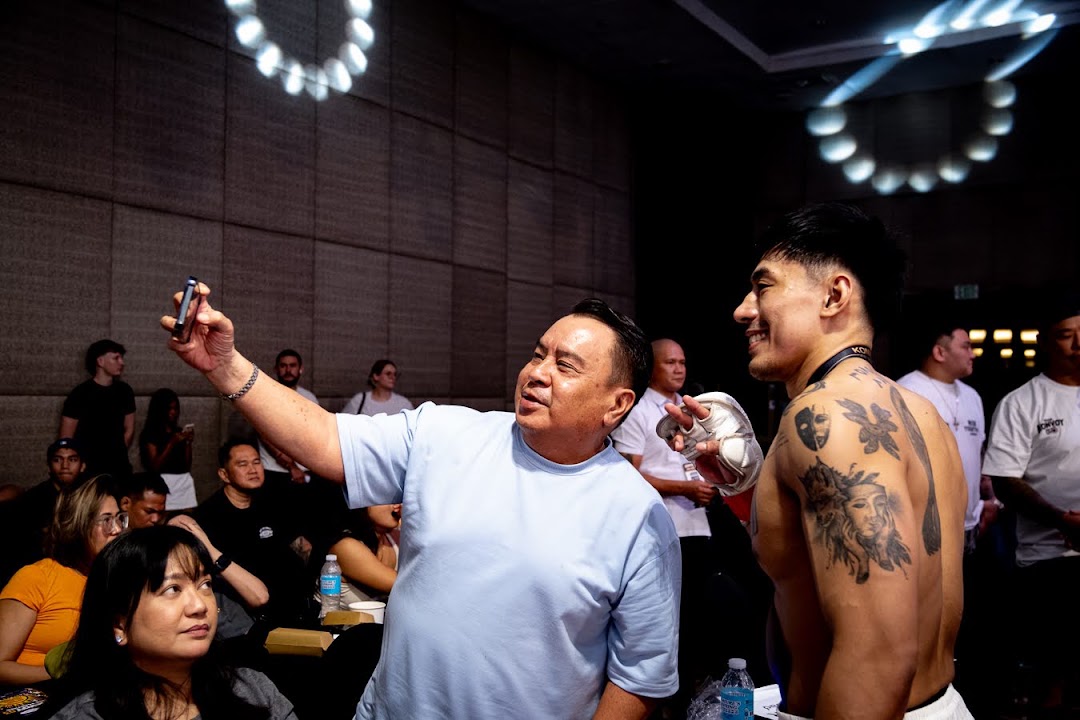
Watching MMA on a screen teaches patterns, but live events make those patterns feel immediate. You hear the corners, sense the shifts in the crowd, and see how much space the fighters really have in the ring. The sport becomes more physical, more strategic, and more human.
That is the bridge to Konvoy 04 in November 2026. For a newer fan, a local card is not just entertainment; it is a chance to understand the sport from the ground level, alongside the Cebu fight community that is helping shape the next wave of Asian MMA.
Follow One Fighter Per Round
At a live event, it can help to pick one fighter and track their choices for a full round. Watch their footwork, breathing, reactions, and corner communication. You will start seeing patterns faster.
In the next round, switch your focus to the opponent. This simple habit makes the fight less chaotic. It also helps you appreciate styles that are not immediately flashy.
Respect The Local Stakes
For many amateur and locally classified semi-pro athletes, a Konvoy appearance can be a major step. These are fighters trying to turn gym hours into public proof. The pressure is real because the opportunity is real.
That is part of what makes live MMA events in Cebu compelling. You are not only watching techniques. You are watching careers take shape under bright lights, loud corners, and a crowd that knows when a fighter from the region is making a statement.
Let The Fight Teach You
You do not need to understand everything at once. Pick one layer each fight: striking distance, clinch control, takedown setups, submission danger, or corner adjustments. By the end of the night, you will see more than you did at the start.
That is the best way into MMA for beginners. The sport rewards attention. The more you learn to watch, the more every exchange starts to speak.
Follow Konvoy For The Next Fight Night
Follow Konvoy’s official site for fight-card announcements and current event details as the promotion builds toward KONVOY 04 in November 2026. If you are an athlete looking for the right stage or a brand supporting Cebu combat sports, contact Konvoy through its official channels about competing or partnering.
References
This guide draws on the following authoritative sources: