October 1, 2026
MMA Makes Its Asian Games Debut: What It Means for the Future of the Sport in Asia
MMA joined the 2026 Asian Games. Explore the format, athlete pathway and what the debut could mean for the sport in Asia.
MMA Asian Games 2026 is a milestone because it moves mixed martial arts onto one of Asia’s biggest multi-sport stages. For fighters, coaches and fans, the Asian Games MMA debut is not just another event on the calendar. It is a chance to see how amateur MMA Asia can be presented beside long-established Olympic and regional sports.
The key is to stay clear about what this debut means. It gives MMA greater visibility inside the Asian Games, but it does not mean the sport has Olympic status. For Konvoy and the wider Cebu fight community, the moment is worth watching because regional recognition can change how young athletes see the path ahead.
What Happened at the 2026 Asian Games
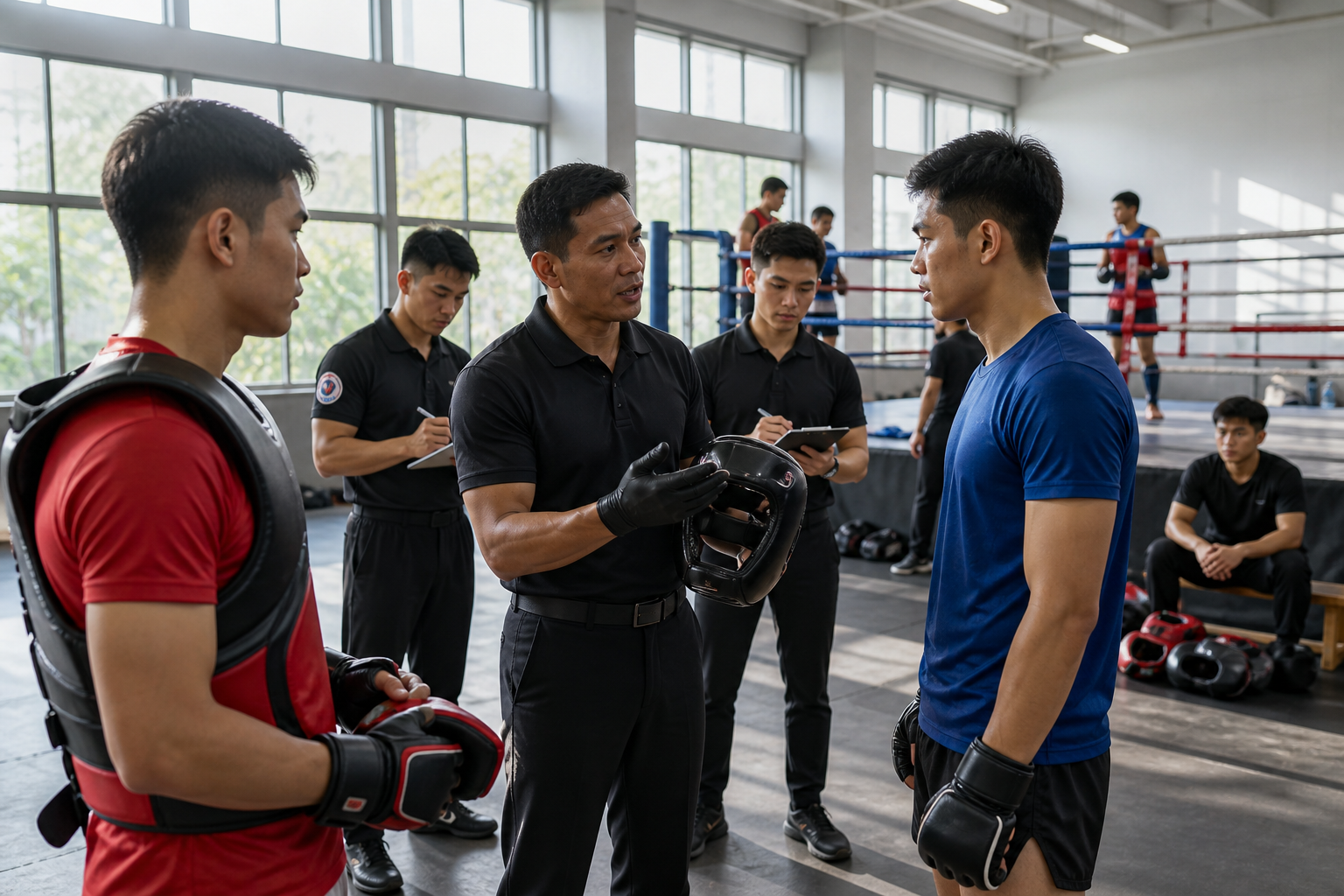
The 2026 Asian Games, officially tied to Aichi-Nagoya, Japan, brought a larger spotlight to combat sports across the region. MMA’s inclusion gave the sport a new platform beyond professional promotions and local shows.
For readers following MMA Aichi Nagoya 2026, the most important point is simple: use official event information before treating any schedule, bracket or medal update as final. Multi-sport events can change details close to competition time.
Confirm MMA’s debut and competition dates
MMA was included for the 2026 Asian Games cycle, making this the sport’s Asian Games debut. The Olympic Council of Asia confirmed the inclusion, while the official Aichi-Nagoya MMA page provides event context. The official competition schedule lists MMA sessions at Nagoya City Inae Sports Center from September 20 to 22, 2026.
That matters because MMA event dates may be presented separately from the overall Games calendar. Before publishing final previews, fight cards or viewing guides, confirm the exact competition days through the official Asian Games channels and federation releases.
Use verified event and medal information only
Because this is a debut event, medal tables, national entries and bout results should be treated as live information. Do not rely on social posts, fan graphics or early lists unless they match an official source.
The safest approach is to cite the organizing committee, the Olympic Council of Asia and the relevant federation. The International Mixed Martial Arts Federation is a useful starting point for amateur MMA governance and development news, while the OCA announcement confirming MMA’s inclusion provides the event-level source.
Why an Asian Games Stage Matters
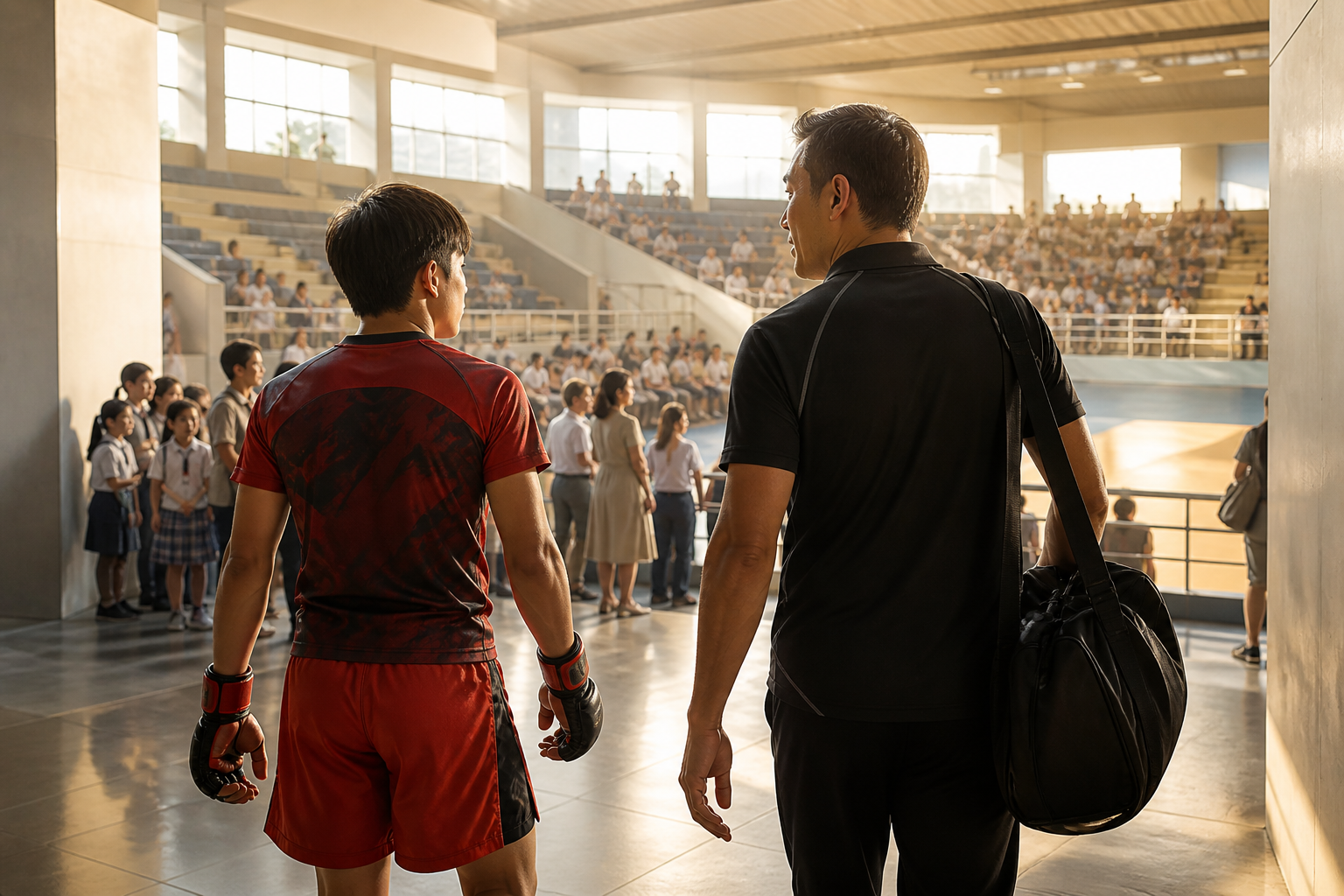
For years, Asian MMA has grown through gyms, regional promotions, national tournaments and grassroots events. The Asian Games gives the sport a different kind of attention because it reaches people who may not follow professional fight nights.
That broader audience matters. Parents, schools, city sports offices and sponsors often understand multi-sport events faster than they understand a late-night professional card.
Visibility for amateur MMA in Asia
The Asian Games MMA debut can help amateur athletes be seen as part of a wider sporting system. That does not erase the raw energy of the sport, but it gives young fighters another way to explain what they are training for.
In places like the Philippines, South Korea, Japan, Thailand and India, amateur MMA already has serious talent. A major regional stage can make that talent easier to follow, especially when results are tracked in a national team format.
Athlete, coach and federation pathways
Recognition inside a major event can also sharpen the pathway around the athlete. Coaches may gain more reason to build structured amateur programs. Federations may face more pressure to run clear qualifiers and keep selection standards transparent.
For fighters, that means the dream can become more layered. A young athlete can still chase professional opportunities, but now amateur competition may also carry regional pride, federation ranking and national team goals.
How Asian Games MMA Differs From Pro Promotions
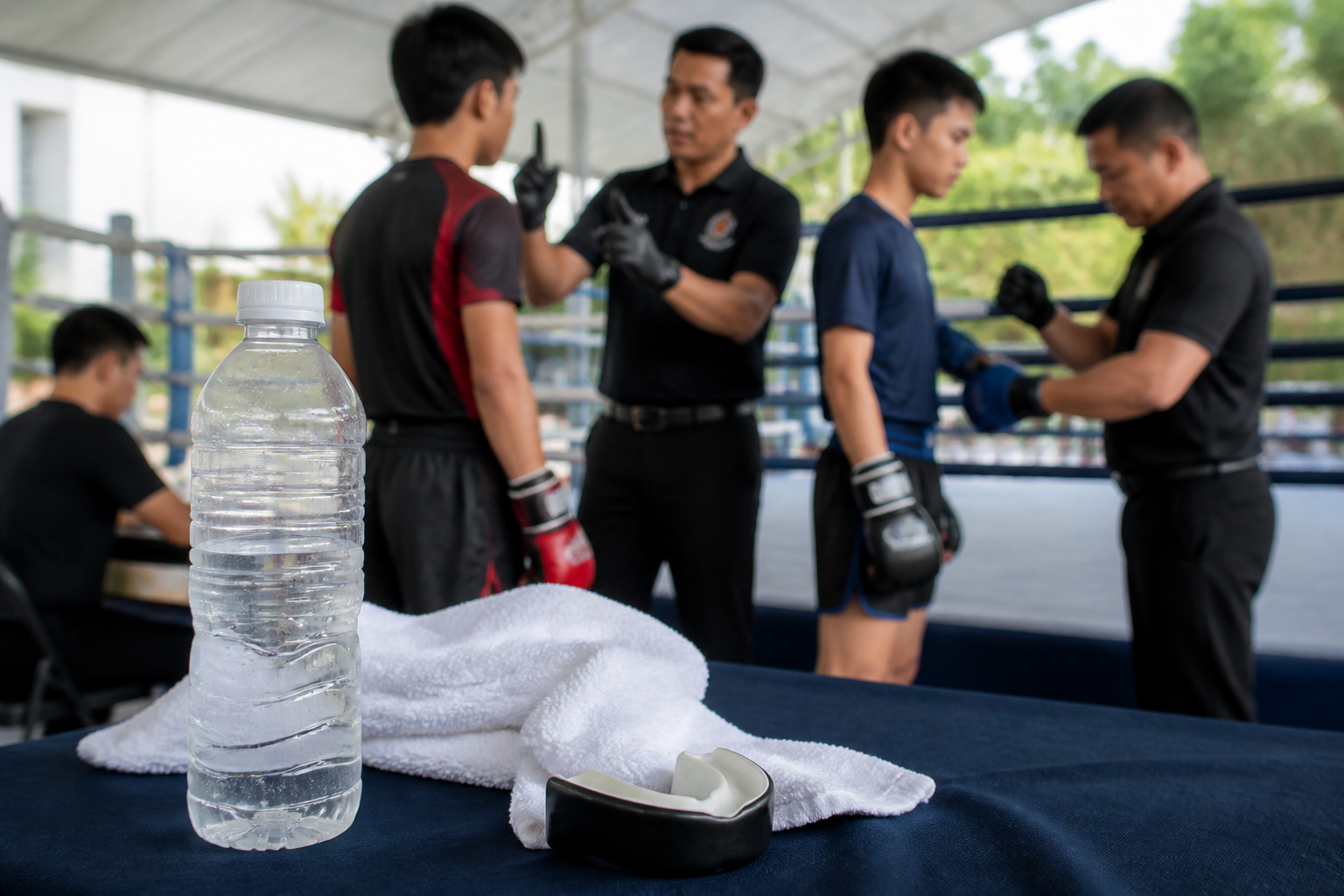
Asian Games MMA should not be read like a professional promotion. The purpose is different, the format is different and the athlete pathway is different.
Professional MMA sells individual matchups and long-term storylines. Amateur MMA in a multi-sport event is built around national representation, tournament structure and standardized rules.
Safety and competition format at a high level
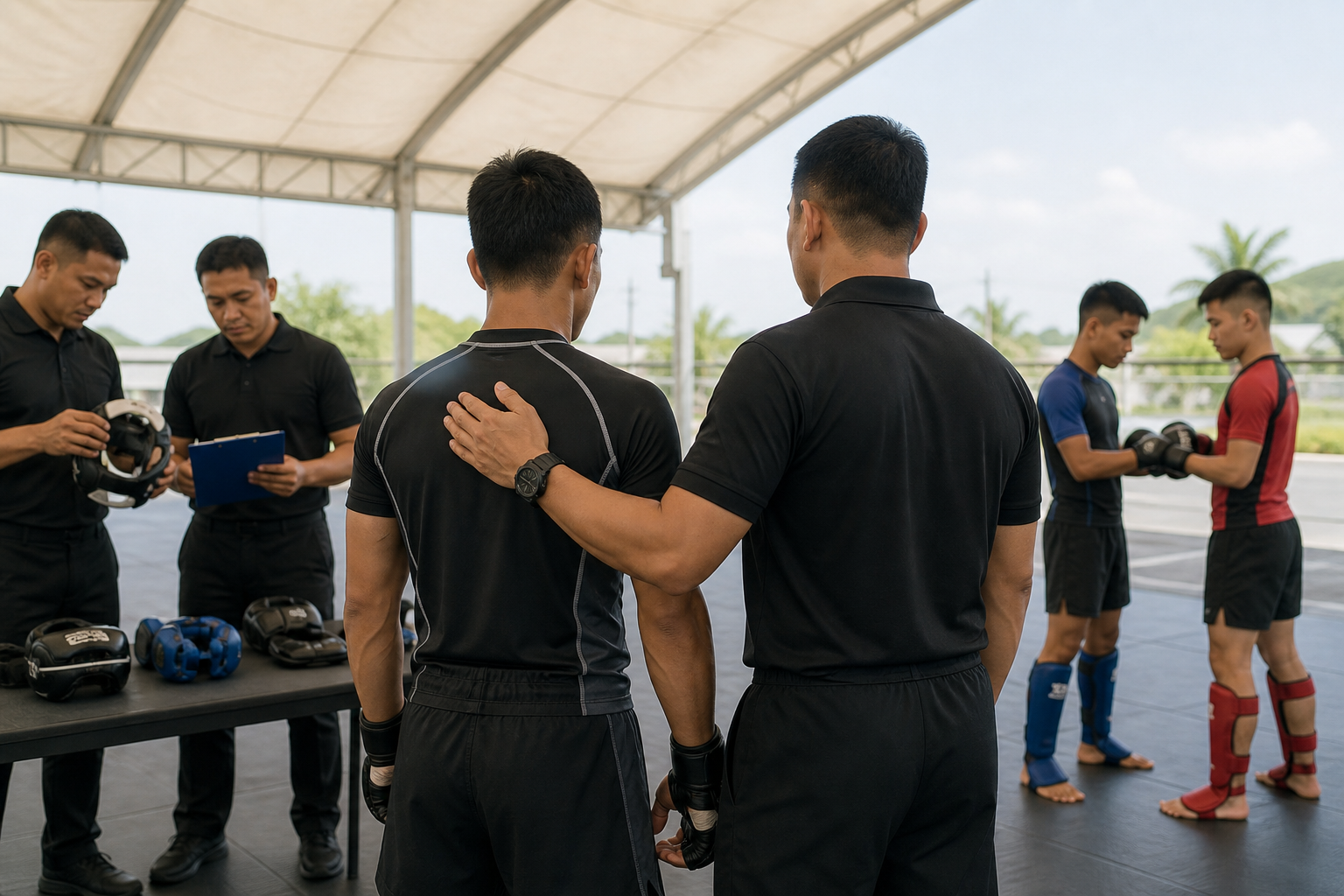
At a high level, amateur MMA commonly uses shorter bouts, protective equipment and rule adjustments compared with professional competition. The goal is to test striking, grappling, clinch work and control while fitting the standards of amateur tournament sport.
Fans should expect the action to feel faster and more compressed than a professional main event. Fighters may need to manage several matchups across a short period, so strategy, recovery and corner work become central.
Why rules and eligibility require source checks
Rules and eligibility should always be checked against the official event technical handbook once available. Weight classes, bout duration, protective equipment, appeal procedures and team entry limits can vary by event.
This is especially important for media, gyms and fans posting guides. A single outdated rule graphic can mislead athletes who are trying to understand how Asian Games MMA actually works.
What It Could Mean for Philippine and Cebu MMA
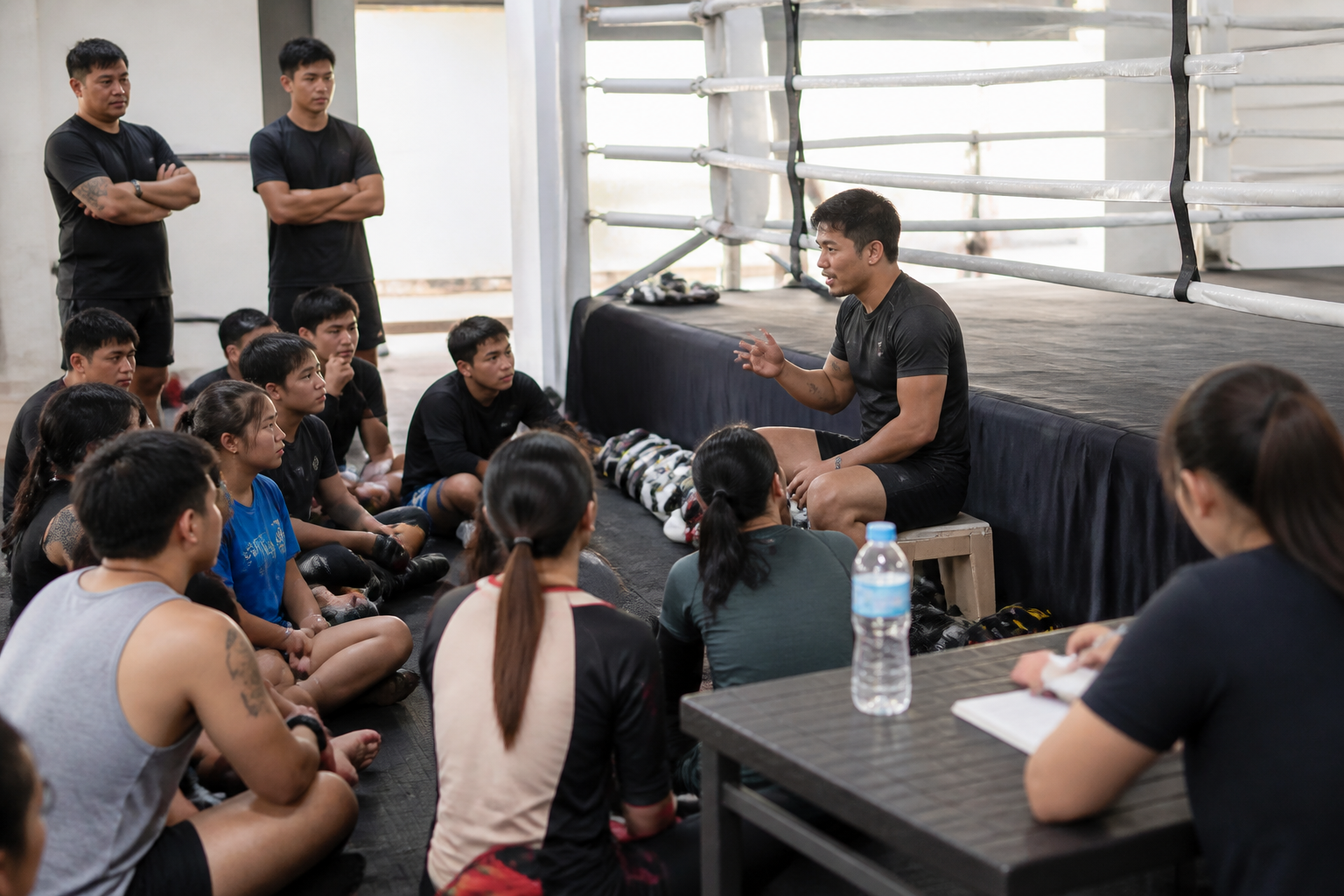
The Philippines has a deep combat sports culture, and Cebu has become one of the country’s most active MMA communities. Konvoy’s work in Cebu sits inside that larger story of fighters looking for more stages, more structure and more chances to be seen.
Still, interest should not turn into unsupported claims. Unless official lists confirm it, no article should state that a specific Filipino athlete, Cebu gym or Konvoy representative is competing at MMA Asian Games 2026.
Potential interest in local training and events
A major Asian Games spotlight can push more fans toward local gyms and regional events. When people see amateur MMA framed as national team sport, they may become more curious about how fighters start, where they train and what local shows build them.
That is where Cebu matters. The city has the coaches, athletes and fight-night audience to keep growing as a regional MMA hub, especially when local events give developing fighters real ring experience.
Avoid unsupported claims about participation or funding
Coverage should avoid claiming Philippine participation, athlete selection, government funding or federation support unless those details are confirmed by official sources. This protects athletes and keeps the conversation honest.
It also keeps the focus where it belongs: on the bigger pathway. If MMA gains more regional visibility, local communities can benefit from the attention without pretending every detail is already settled.
What Happens Next for the Sport
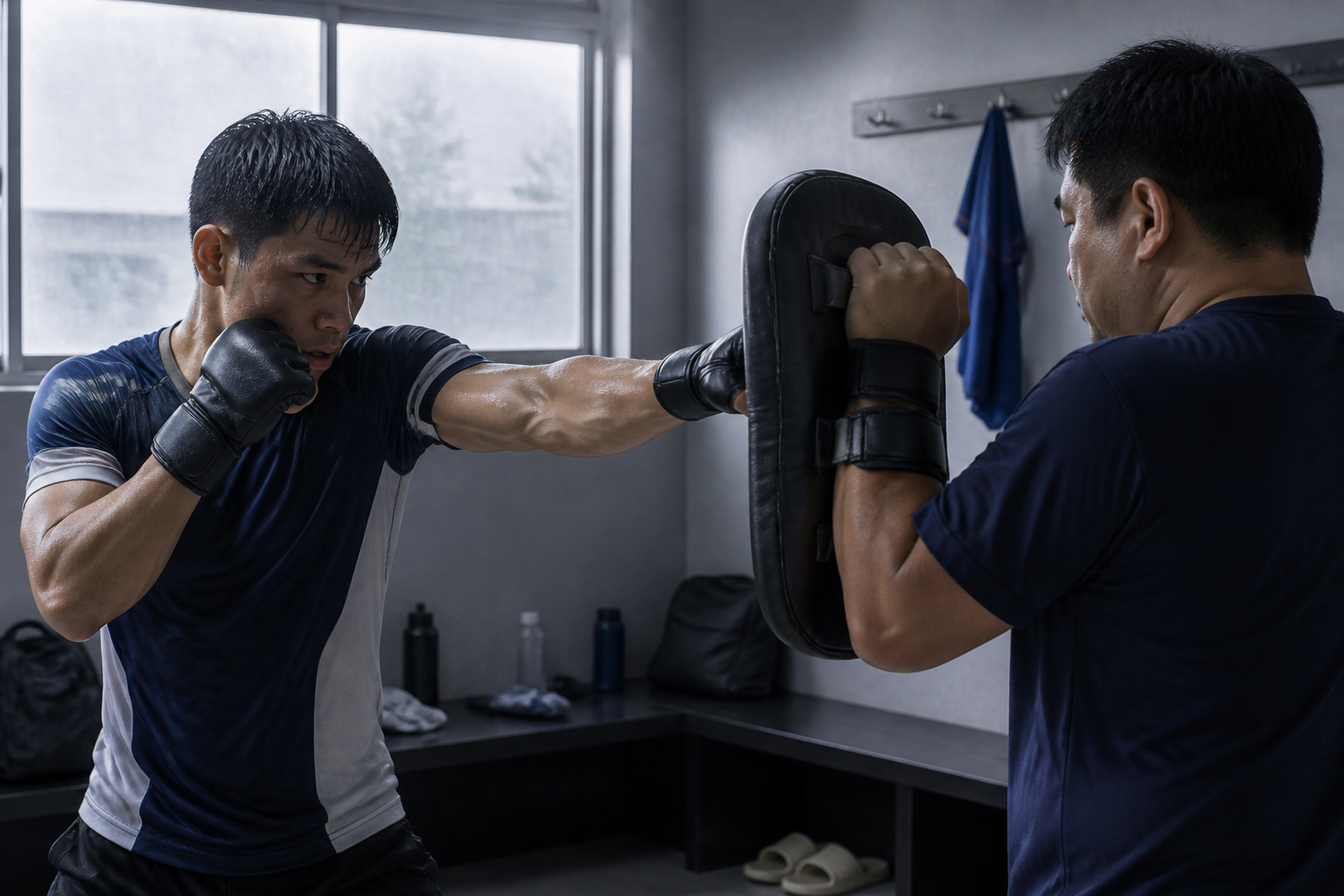
The debut is a step, not the finish line. After the event, the real test will be whether Asian Games exposure leads to stronger amateur systems, more consistent national events and better development across Asia.
For fans, this is the moment to watch both the action and the structure around it. Results matter, but so do participation numbers, broadcast quality, officiating clarity and federation follow-through.
Asian Games participation versus Olympic status
Asian Games participation is not the same as Olympic recognition. The Olympic pathway is governed separately by the International Olympic Committee, and readers can review the IOC’s broader recognition framework through the IOC recognised federations information.
So, MMA recognition at the Asian Games level is meaningful, but it should not be overstated. It gives the sport a stronger regional platform, while Olympic inclusion remains a separate and more complex process.
Questions fans should watch after the event
After MMA Aichi Nagoya 2026, fans should watch how many countries entered athletes, which federations built clear selection systems and whether the event created momentum for more amateur tournaments. Those signals may matter as much as the final medal table.
Another key question is whether young fighters in Asia see a clearer path from local training to national competition. If they do, the Asian Games MMA debut could become more than a one-time headline.
Frequently Asked Questions
Is MMA part of the 2026 Asian Games?
Yes. MMA was included for the 2026 Asian Games cycle, marking its debut at the event. Confirm final schedules and event details through official Games sources.
Does this mean MMA is now an Olympic sport?
No. Asian Games inclusion and Olympic recognition are different. Olympic status depends on separate IOC processes.
Will Filipino or Cebu athletes compete?
Do not assume that without official confirmation. Athlete entries, national team selections and bout lists should be verified before publication.
Why does this matter for amateur MMA Asia?
It gives amateur fighters a larger regional stage, which may help athlete development, federation planning and public awareness across Asia.
Follow Konvoy for What Comes Next
Keep following Konvoy for upcoming fight-card and event announcements and ticket updates. Browse the Konvoy events gallery and read the KONVOY 03 recap for a local example of regional MMA coverage. Athletes looking to compete and brands seeking partnership opportunities can reach out to Konvoy.